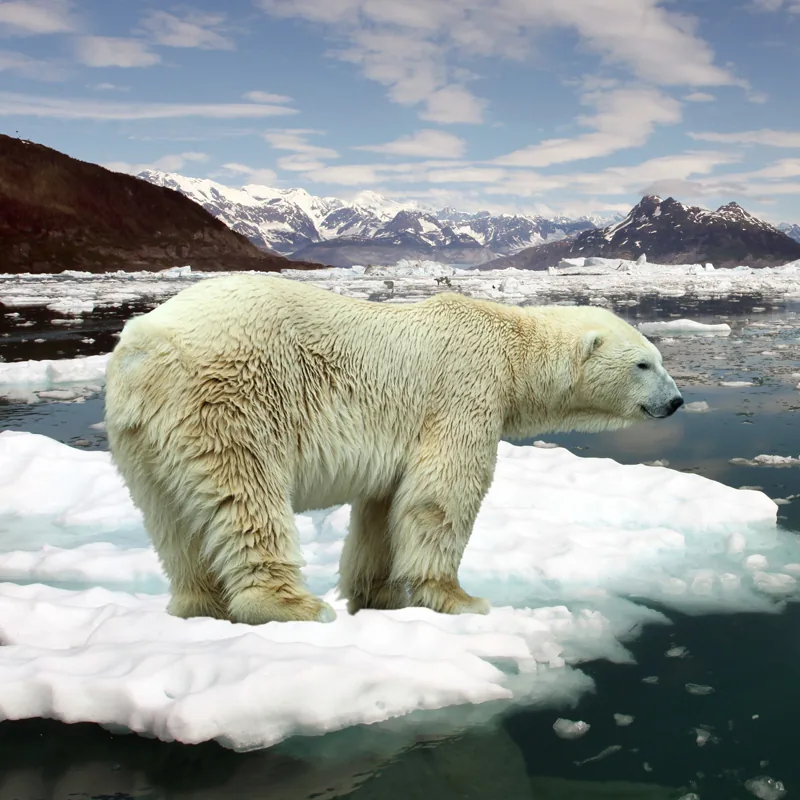
The environmental issues shaping our world in 2025 are not abstract future problems. They are showing up right now in the form of record heat waves, disappearing glaciers, collapsing fisheries, and communities breathing air that fails basic safety standards. If you follow the news, it can feel overwhelming. But here is the truth: a relatively small number of interconnected challenges are driving most of the risk, and the solutions to those challenges tend to reinforce one another. Fix one, and you often make progress on several others at the same time. This guide breaks down 12 of the most critical environmental issues in plain language, connects them to everyday life and business decisions, and closes with concrete actions that actually move the needle.
Environmental Issues Shaping the Climate Crisis
Climate change sits at the center of nearly every other challenge on this list. The planet is warming because burning fossil fuels releases carbon dioxide and methane, which trap heat in the atmosphere. The global average temperature has already risen by roughly 1.2 degrees Celsius above pre-industrial levels, and the effects are compounding. Hotter air holds more moisture, which means stronger storms when that moisture releases. It also means longer, more intense droughts in regions that are already dry. Wildfire seasons are extending, and the fires themselves are burning hotter and faster than historical records suggest they should.
The economic consequences are not distant projections. Heat reduces worker productivity, particularly for outdoor and manual labor. Extreme weather events damage roads, bridges, power grids, and homes. Insurance markets in high-risk areas are already contracting, leaving homeowners without coverage and municipalities without financial backstops. Food prices rise when droughts cut harvests or floods destroy crops. These costs land on utility bills, tax statements, and grocery receipts.
What actually helps: electrifying transportation and buildings, powering the grid with wind and solar, improving energy efficiency in every sector, protecting and restoring forests and wetlands that store carbon, and investing in adaptation measures like cooling centers, flood defenses, and fire-resilient community design. The U.S. Environmental Protection Agency’s climate indicators provide regularly updated data on how these trends are progressing.
Air Pollution: A Daily Health Emergency
Air pollution is one of the environmental issues shaping public health outcomes more than almost any other factor. Fine particulate matter, known as PM2.5, is small enough to penetrate deep into the lungs and enter the bloodstream. Ground-level ozone and nitrogen oxides, produced by vehicles, power plants, and industrial facilities, trigger asthma attacks, accelerate heart disease, and contribute to premature death. The World Health Organization estimates that air pollution causes approximately 7 million premature deaths globally each year.
The burden is not shared equally. Low-income communities and communities of color are disproportionately located near highways, ports, and industrial facilities, meaning they absorb a larger share of the health costs while often benefiting less from the economic activity those facilities generate. Children and the elderly are especially vulnerable. Beyond health, air pollution reduces crop yields and cuts worker productivity, creating economic drag that compounds the direct medical costs.
What actually helps: transitioning to electric vehicles and expanding public transit, enforcing stricter emissions standards for industry, creating low-emission zones in dense urban areas, retrofitting buildings to reduce combustion-based heating, and improving indoor air quality through better filtration and ventilation. Many of these steps overlap directly with climate solutions, which is why clean air and climate action are best pursued together rather than in separate policy silos.
Deforestation and the Loss of the World’s Lungs
Forests cover roughly 31 percent of the Earth’s land surface, and they are disappearing at a rate that should alarm anyone who eats food, drinks water, or breathes air. Agriculture is the leading driver, accounting for the majority of tropical deforestation as land is cleared for cattle ranching, soy production, and palm oil plantations. Mining, logging, and infrastructure development add to the pressure. Climate stress and increasingly severe wildfires are now compounding what human activity started.
Forests do far more than store carbon, though that function alone is critical. They regulate regional rainfall patterns, meaning that deforestation in the Amazon does not just affect Brazil. It disrupts precipitation cycles that farmers in South America and beyond depend on. Forests support an estimated 80 percent of terrestrial biodiversity. They sustain the livelihoods of hundreds of millions of people, including Indigenous communities whose cultures and economies are inseparable from the land.
What actually helps: demanding deforestation-free supply chains from the companies that source agricultural commodities, supporting agroforestry systems that integrate trees into farming landscapes, recognizing and legally protecting Indigenous land rights, and funding large-scale restoration programs that pay verified outcomes rather than promises. Consumer choices matter here too. Knowing where your food comes from and choosing brands with credible sustainability commitments sends a market signal that companies respond to over time.
Plastic Pollution: From Rivers to Bloodstreams
Plastic pollution has moved from a visible nuisance to a systemic environmental and health crisis. Single-use plastics and poorly designed packaging overwhelm waste management systems in both wealthy and developing nations. An estimated 8 to 10 million metric tons of plastic enter the ocean every year. But the problem is no longer just about what we can see. Microplastics, tiny fragments that result from the breakdown of larger plastic items, have now been detected in drinking water, soil, seafood, human blood, and even placental tissue.
The environmental harm is extensive. Plastics entangle and kill marine wildlife. They clog urban drainage systems, worsening flooding. The cleanup costs fall on cities and taxpayers rather than the companies that produced the packaging in the first place. And because plastics are derived from fossil fuels, their production contributes directly to greenhouse gas emissions, tying plastic pollution to the climate crisis in ways that are often underappreciated.
What actually helps: shifting to reuse and refill systems wherever possible, implementing extended producer responsibility laws that make manufacturers financially accountable for end-of-life costs, banning the most problematic single-use items, redesigning materials to be genuinely recyclable or compostable, and building the collection and processing infrastructure needed to handle what remains. The goal is to stop treating plastic as a disposable material and start treating it as a resource that must be kept in circulation.
Water Scarcity: The Resource Conflict of the Century
Fresh water is one of the environmental issues shaping geopolitical stability as much as ecological health. Droughts are intensifying, mountain snowpack that feeds rivers through dry seasons is shrinking, and aquifers that took thousands of years to fill are being drawn down in decades. Climate change amplifies variability, meaning wet regions often get wetter and dry regions get drier, making planning and infrastructure investment harder. Agriculture accounts for roughly 70 percent of global freshwater withdrawals, which means farming practices are central to any serious water strategy.
Water scarcity raises food prices, forces communities to spend more on treatment and transport, and in extreme cases drives migration and conflict. Cities in the American West, South Asia, sub-Saharan Africa, and the Middle East are already managing severe constraints. The communities hit hardest are typically those with the least political and economic power to adapt.
What actually helps: fixing leaking distribution infrastructure, pricing water in ways that reflect its true scarcity while protecting low-income access, adopting precision irrigation technologies that deliver water directly to plant roots, recycling treated wastewater for agricultural and industrial use, diversifying water supplies through rainwater harvesting and aquifer recharge, and aligning land use planning with watershed capacity. Water efficiency is one of the highest-return investments available to both governments and businesses.
Biodiversity Loss and the Collapse of Natural Systems
The current rate of species extinction is estimated to be between 100 and 1,000 times higher than the natural background rate. Habitat fragmentation from roads, agriculture, and urban development is the primary driver. Overharvesting of fish, wildlife, and plants adds pressure. Invasive species, introduced intentionally or accidentally, outcompete native species and restructure ecosystems. Climate change is now accelerating all of these pressures simultaneously, pushing species toward the poles and to higher elevations faster than many can adapt.
Biodiversity is not just a conservation concern. It is the foundation of the services that nature provides to human civilization. Pollinators support roughly one third of global food production. Healthy fisheries feed billions of people. Forests and wetlands filter water. Diverse ecosystems regulate disease by limiting the conditions under which pathogens can jump from wildlife to humans. When we erode biodiversity, we erode the resilience of the systems we depend on.
What actually helps: protecting and connecting habitats through wildlife corridors that allow species to move as conditions change, managing fisheries within scientifically determined sustainable limits, controlling invasive species through early detection and rapid response programs, and integrating nature into urban environments through street trees, green roofs, native plantings, and restored urban waterways. The IUCN Red List of Threatened Species is the authoritative global resource for tracking which species are at risk and why.
Soil Degradation: The Silent Crisis Beneath Our Feet
Soil is one of the most underappreciated resources on Earth, and it is disappearing faster than it can regenerate. Erosion from wind and water removes topsoil that took centuries to form. Intensive tillage breaks down soil structure and releases stored carbon. Monoculture farming depletes specific nutrients and reduces the microbial diversity that makes soil biologically active. Salinization from poorly managed irrigation renders land unproductive. The United Nations estimates that roughly one third of the world’s soils are already degraded.
Healthy soil grows food, stores water, and sequesters carbon. Degraded soil does none of these things well. Farmers on degraded land need more synthetic fertilizer to maintain yields, which increases costs and runoff pollution. Compacted, depleted soils absorb less rainfall, increasing flood risk downstream. And because soil is a major carbon sink, its degradation contributes directly to atmospheric carbon levels.
What actually helps: planting cover crops to protect soil between cash crop seasons, reducing or eliminating tillage to preserve soil structure, applying compost and biochar to rebuild organic matter, practicing rotational grazing that mimics natural grazing patterns, diversifying crop rotations to restore nutrient balance and microbial health, and developing measurement frameworks that allow farmers to earn financial rewards for verified improvements in soil health. Regenerative agriculture is not a niche concept. It is a practical pathway to more resilient food systems.
Ocean Health: Warming, Acidifying, and Overfished
The ocean covers more than 70 percent of the Earth’s surface and absorbs roughly 90 percent of the excess heat generated by climate change, as well as about 25 percent of the carbon dioxide we emit. This service is invaluable, but it comes at a cost. Warming waters are bleaching coral reefs, which support an estimated 25 percent of all marine species despite covering less than one percent of the ocean floor. Ocean acidification, caused by the absorption of CO2, is dissolving the shells and skeletons of marine organisms at the base of the food chain. Overfishing has pushed roughly one third of global fish stocks beyond sustainable limits.
Agricultural and urban runoff creates dead zones near coastlines where oxygen levels drop too low to support most life. Plastic pollution, noise pollution from shipping, and deep-sea mining add further stress. The communities most dependent on ocean health, coastal fishing communities and small island nations, are often the least responsible for the pressures driving its decline.
What actually helps: reducing carbon emissions to slow warming and acidification, establishing and enforcing marine protected areas that allow fish populations to recover, reforming fisheries management to align catch limits with scientific assessments, reducing agricultural runoff through better land management, and addressing plastic pollution at its source. Healthy oceans are not a luxury. They are a life support system for the planet.
Environmental Issues Shaping Business and Investment Decisions
The environmental issues shaping ecosystems are also reshaping the business landscape in ways that companies can no longer afford to ignore. Physical climate risks, including flooding, heat stress, and supply chain disruption, are already affecting asset values and operational costs. Regulatory pressure is increasing as governments implement carbon pricing, mandatory disclosure requirements, and stricter environmental standards. Consumer expectations are shifting, with a growing share of buyers actively choosing brands that demonstrate credible environmental commitments.
Investors are paying attention. Environmental, social, and governance frameworks have moved from niche to mainstream in institutional investing. Companies that fail to manage environmental risks face higher costs of capital, reputational damage, and potential stranded assets as regulations tighten. Conversely, businesses that lead on sustainability are finding competitive advantages in talent attraction, customer loyalty, and operational efficiency.
For marketing and communications teams, this creates both a responsibility and an opportunity. Sustainability claims must be specific, verifiable, and honest. Greenwashing, making vague or misleading environmental claims, is increasingly subject to regulatory scrutiny and consumer backlash. The brands that will win long-term are those that can demonstrate genuine progress, communicate it clearly, and connect it to outcomes that their audiences actually care about. The United Nations Environment Programme’s Making Peace with Nature report provides a comprehensive framework for understanding how environmental, climate, and biodiversity crises intersect with economic systems.
Environmental Issues Shaping Policy: What Governments Must Do
Individual and corporate action matters, but the scale and speed of the challenges described in this article require policy responses that only governments can deliver. Carbon pricing, whether through a carbon tax or a cap-and-trade system, is one of the most economically efficient tools available for reducing emissions across the entire economy. Subsidy reform, specifically ending the hundreds of billions of dollars in annual subsidies to fossil fuels, would level the playing field for clean energy and accelerate the transition. Mandatory environmental disclosure requirements give investors and consumers the information they need to make informed decisions.
Land use policy shapes deforestation, soil health, water management, and biodiversity outcomes simultaneously. Fisheries management determines whether ocean ecosystems recover or collapse. Waste regulations drive or inhibit the shift away from single-use plastics. Public investment in clean infrastructure, from transit systems to water recycling facilities to green urban spaces, creates the conditions in which sustainable choices become the easy choices for individuals and businesses alike.
The environmental issues shaping our future are not waiting for perfect political conditions. The science is clear, the economic case is strong, and the technologies needed to make progress exist today. What is required is the political will to implement them at scale, the institutional capacity to enforce them consistently, and the public engagement to sustain them across election cycles. Every level of government, from city councils to national legislatures to international bodies, has a role to play.
What You Can Do: Actions That Actually Matter
It is easy to feel paralyzed by the scale of the challenges outlined above. But individual and collective action genuinely matters, both for its direct impact and for the cultural and political signals it sends. Here are the actions with the highest leverage across multiple environmental issues at once.
Reduce your carbon footprint by switching to an electric vehicle or using public transit, electrifying your home heating and cooking, and choosing a clean energy provider if your utility offers that option. These steps address climate change and air pollution simultaneously. Eat less meat, particularly beef, which has a dramatically higher land, water, and carbon footprint than plant-based foods. This single dietary shift reduces pressure on forests, water systems, soil, and the climate at the same time.
Reduce plastic use by choosing products with minimal or reusable packaging, supporting businesses that offer refill options, and advocating for extended producer responsibility policies in your community. Conserve water by fixing leaks, choosing water-efficient appliances, and landscaping with native plants that require less irrigation. Support biodiversity by planting native species in your yard or community, reducing pesticide use, and leaving areas of your garden a little wild.
Vote and advocate. The most powerful thing most people can do for the environment is engage in the political process. Support candidates and policies that take environmental issues seriously. Speak up in public comment periods. Join or donate to organizations working on the issues you care about most. And if you work in marketing, communications, or business strategy, use your professional skills to help organizations communicate their sustainability work honestly and effectively. The world needs more people who can translate complex environmental science into stories that move people to act.
Frequently Asked Questions
What are the most urgent environmental issues shaping the world in 2025?
The environmental issues shaping the world most urgently in 2025 include climate change, air pollution, deforestation, plastic pollution, water scarcity, biodiversity loss, soil degradation, and ocean health decline. These challenges are deeply interconnected, meaning that progress on one often creates positive ripple effects across the others. Addressing them requires action at the individual, corporate, and government levels simultaneously.How does climate change connect to other environmental problems?
Climate change acts as a threat multiplier, making nearly every other environmental problem worse. It intensifies droughts and floods that stress water supplies, accelerates biodiversity loss by shifting habitats faster than species can adapt, worsens wildfires that destroy forests, and drives ocean warming and acidification. This is why reducing carbon emissions is considered the single highest-leverage action available across the full range of environmental challenges.What is the biggest driver of deforestation globally?
Agriculture is the leading driver of deforestation globally, accounting for the majority of tropical forest loss. Cattle ranching, soy production, and palm oil cultivation are the primary agricultural causes. Mining, logging, and infrastructure development also contribute significantly. Addressing deforestation requires reforming agricultural supply chains and recognizing the land rights of Indigenous communities who have historically protected forests most effectively.Why are microplastics considered a serious health concern?
Microplastics are tiny plastic fragments that result from the breakdown of larger plastic items, and they have now been detected in human blood, lung tissue, and placental tissue. While research into their health effects is ongoing, their presence in the human body at such widespread levels is a significant concern for scientists and public health officials. Reducing plastic production and improving waste management are the most direct ways to limit further exposure.What is extended producer responsibility and why does it matter for plastic pollution?
Extended producer responsibility, often abbreviated as EPR, is a policy approach that makes manufacturers financially responsible for the end-of-life management of their products and packaging. It matters for plastic pollution because it shifts cleanup costs from taxpayers and municipalities to the companies that profit from producing plastic in the first place. EPR policies create strong financial incentives for companies to redesign products to use less plastic and to use materials that are easier to recycle or compost.How does biodiversity loss affect human health and food security?
Biodiversity loss directly threatens food security because roughly one third of global food production depends on pollinators like bees, which are declining due to habitat loss, pesticide use, and climate change. Diverse ecosystems also regulate disease by limiting the conditions under which pathogens can jump from wildlife to humans. Losing biodiversity erodes the natural systems that filter water, stabilize soils, and buffer communities against extreme weather events.What is regenerative agriculture and how does it address soil degradation?
Regenerative agriculture is a set of farming practices designed to restore soil health, increase biodiversity, and improve the water cycle rather than simply maintaining current productivity levels. Key practices include cover cropping, reduced tillage, composting, rotational grazing, and diversified crop rotations. These approaches rebuild organic matter in the soil, which improves its ability to store water, support plant growth, and sequester carbon from the atmosphere.What are the environmental issues shaping investment decisions for businesses today?
The environmental issues shaping investment decisions include physical climate risks like flooding and heat stress, regulatory risks from carbon pricing and mandatory disclosure requirements, and reputational risks from consumer expectations around sustainability. Institutional investors increasingly use environmental, social, and governance frameworks to assess company performance, meaning that businesses with poor environmental records face higher costs of capital. Companies that lead on sustainability are finding competitive advantages in talent, customer loyalty, and operational resilience.How can individuals make the most impact on environmental issues?
The highest-impact individual actions include switching to an electric vehicle or using public transit, electrifying home heating and cooking, reducing meat consumption particularly beef, minimizing single-use plastic use, and conserving water. Beyond personal choices, engaging in the political process by voting for candidates who prioritize environmental policy and advocating for systemic changes like carbon pricing and extended producer responsibility creates leverage that multiplies the impact of individual behavior.What role does ocean health play in regulating the global climate?
The ocean plays a critical role in regulating the global climate by absorbing roughly 90 percent of the excess heat generated by climate change and approximately 25 percent of the carbon dioxide humans emit each year. Without this buffering capacity, atmospheric temperatures would be significantly higher than they are today. However, this absorption is causing ocean warming and acidification, which are bleaching coral reefs, disrupting marine food chains, and threatening the fisheries that billions of people depend on for protein.Related Articles
- Saving Our Lakes, Rivers, and Wetlands for the Next Generation
- How Does Plastic Pollution Impact The Environment?
- What Does It Mean To Be A Eco-Friendly And Sustainable Organization?
- Eco Friendly And Organic Trends Demanding Attention
- Follow These 4 Steps To Successfully Develop Your Environmental Brand
Turning your mission into a brand people trust? See how Planet Media approaches sustainable branding for purpose-driven organizations.

Kurt Whitt
Planet Media
Founder and CEO of Planet Media, a sustainability focused marketing agency. 25+ years helping purpose driven brands grow through strategy, storytelling and design.
More about the team