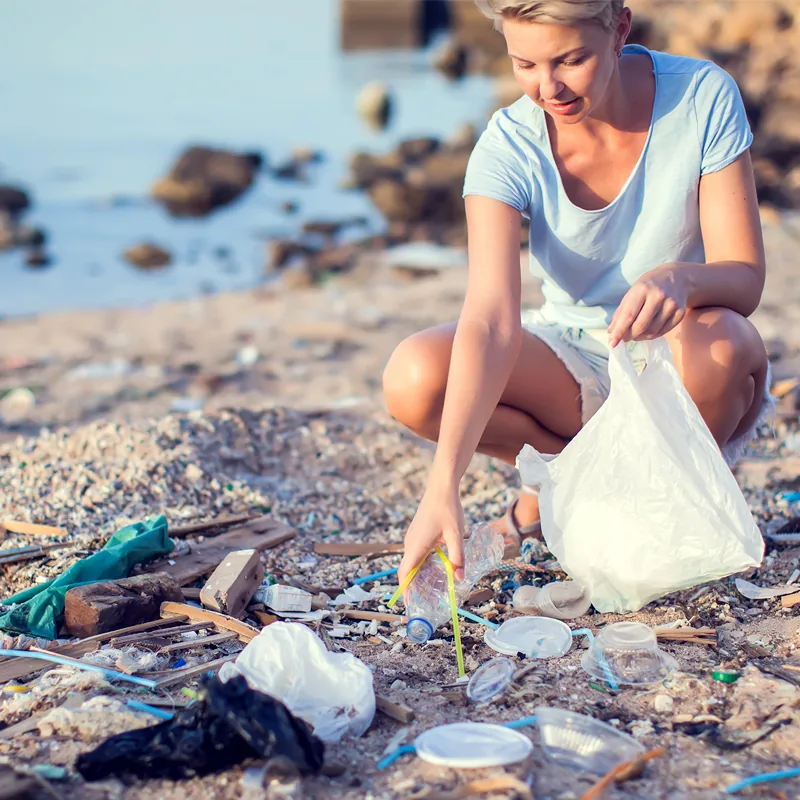
The plastic pollution impact on our planet is one of the most urgent environmental crises of our time, touching every ocean, every ecosystem, and every living creature on Earth. Plastic pollution alters habitats and natural processes, steadily reducing the ability of ecosystems to adapt to an already changing climate. It overwhelms waste management systems, threatens food production, and undermines the social and economic well-being of communities around the world. Understanding exactly how plastic pollution damages the environment is the first step toward building the collective will to stop it.
The Scale of the Plastic Pollution Problem
To appreciate the plastic pollution impact in full, it helps to understand just how much plastic humanity produces. Since large-scale plastic manufacturing began in the 1950s, the world has produced more than 9 billion metric tons of plastic. Of that staggering total, only about 9 percent has ever been recycled. Roughly 12 percent has been incinerated, and the remaining 79 percent has accumulated in landfills, in natural environments, or in the ocean.
Today, an estimated 8 to 10 million metric tons of plastic enter the ocean every single year. That is the equivalent of dumping a garbage truck full of plastic into the sea every minute. The National Oceanic and Atmospheric Administration (NOAA) has documented plastic debris in every ocean basin on Earth, from the surface waters of the tropics to the deepest ocean trenches. Plastic has been found in Arctic sea ice, on remote uninhabited islands, and on the peaks of mountain ranges far from any city or industrial center.
The problem is not slowing down. Global plastic production is projected to double by 2040 unless significant policy and behavioral changes take place. Single-use plastics, which include items like straws, bags, bottles, and food packaging, account for roughly half of all plastic produced each year. These items are designed to be used once and discarded, yet they persist in the environment for hundreds of years.
Plastic Pollution Impact on Marine Life
The plastic pollution impact on marine ecosystems is both widespread and deeply damaging. The ocean is the ultimate destination for a large share of the plastic that escapes proper disposal on land. Once plastic enters the marine environment, it creates a cascade of harm that affects species at every level of the food web.
Ingestion is one of the most direct threats. Marine animals, including sea turtles, seabirds, whales, dolphins, and fish, frequently mistake plastic debris for food. A floating plastic bag resembles a jellyfish to a sea turtle. Colorful plastic fragments look like fish eggs or small prey to seabirds. When animals ingest plastic, the consequences are severe. Plastic can cause internal lacerations, block digestive tracts, create a false sense of fullness that leads to starvation, and introduce toxic chemicals directly into body tissues. Studies have found plastic in the stomachs of more than 90 percent of seabirds tested, and researchers estimate that virtually all sea turtle species have ingested plastic at some point in their lives.
Entanglement is another deadly consequence. Discarded fishing nets, plastic rings from beverage packaging, plastic strapping, and other flexible plastic debris trap and entangle marine animals. Seals, sea lions, dolphins, whales, sharks, and sea turtles become caught in this debris, leading to restricted movement, deep wounds, infection, drowning, and death. Ghost fishing gear, which refers to nets and lines lost or abandoned at sea, is considered one of the most lethal forms of marine plastic pollution. The NOAA Marine Debris Program estimates that ghost gear entangles and kills hundreds of thousands of marine animals every year.
Bioaccumulation through microplastics compounds the damage further. As larger plastic items break down under ultraviolet light and wave action, they fragment into microplastics, which are particles smaller than 5 millimeters. These tiny particles are ingested by zooplankton, small fish, filter feeders like mussels and oysters, and other organisms at the base of the food chain. As larger predators consume these smaller organisms, the microplastics and their associated chemical contaminants accumulate in progressively higher concentrations. This process, known as biomagnification, means that apex predators, including humans who eat seafood, end up with the highest concentrations of plastic-associated toxins in their bodies.
Plastic Pollution Impact on Freshwater Ecosystems
While the ocean receives the most attention, the plastic pollution impact on freshwater systems is equally serious and often overlooked. Rivers, lakes, wetlands, and groundwater sources are all contaminated with plastic debris. In fact, rivers are the primary pathway through which land-based plastic reaches the ocean. Research has identified a relatively small number of heavily polluted rivers, many of them in Asia and Africa, as responsible for transporting the majority of riverine plastic to the sea.
Freshwater species face many of the same threats as their marine counterparts. Freshwater fish, turtles, birds, and invertebrates ingest microplastics and become entangled in larger debris. Wetlands, which serve as critical nursery habitats and natural water filtration systems, can be smothered by plastic accumulation, reducing their ecological function. Plastic debris in rivers also affects the communities that depend on those rivers for drinking water, irrigation, and fishing.
Microplastics have been detected in tap water, bottled water, and groundwater sources around the world. A study published in environmental science journals found microplastic contamination in drinking water samples from more than a dozen countries across multiple continents. The sources of this contamination include the breakdown of plastic pipes, the washing of synthetic textiles, and the atmospheric deposition of plastic fibers that settle into water catchments.
Plastic Pollution Impact on Terrestrial Ecosystems
The plastic pollution impact extends well beyond water. Terrestrial ecosystems, including forests, grasslands, farmland, and urban green spaces, are also heavily contaminated. Plastic litter accumulates on land, carried by wind and water, and breaks down into microplastics that mix into the soil. Research has shown that agricultural soils in many parts of the world contain higher concentrations of microplastics than ocean surface waters, largely due to the use of plastic mulch films, sewage sludge used as fertilizer, and plastic-contaminated irrigation water.
Soil microplastics alter the physical structure of the soil, affecting its ability to retain water and support plant growth. They also disrupt the communities of microorganisms, earthworms, and other soil fauna that are essential to nutrient cycling and soil health. Some studies have found that microplastic contamination reduces earthworm reproduction and changes the behavior of soil invertebrates in ways that could have long-term consequences for agricultural productivity.
Land animals are also directly harmed by plastic pollution. Birds, mammals, and reptiles ingest plastic fragments or become entangled in plastic waste. Cattle and other livestock have been found with large quantities of plastic in their stomachs after grazing in areas contaminated with plastic litter. Plastic bags and packaging materials can block the digestive systems of animals, leading to slow and painful deaths.
Plastic Pollution Impact on Human Health
The plastic pollution impact on human health is a growing area of scientific concern. Humans are exposed to plastic and plastic-associated chemicals through multiple pathways, including the food we eat, the water we drink, and the air we breathe. Microplastics have been detected in human blood, lung tissue, placental tissue, and breast milk, indicating that plastic particles are not just passing through the body but are being absorbed and retained in tissues.
Plastics contain and absorb a wide range of chemical additives and environmental pollutants. Bisphenol A, commonly known as BPA, is used to harden certain plastics and has been shown to act as an endocrine disruptor, interfering with hormone signaling in the body. Phthalates, which are used to make plastics flexible, are also endocrine disruptors linked to reproductive health problems, developmental issues in children, and increased cancer risk. Flame retardants, stabilizers, and colorants added to plastics during manufacturing add further layers of chemical exposure.
Beyond chemical additives, plastic particles themselves can carry persistent organic pollutants that they absorb from the surrounding environment. When ingested, these pollutant-laden particles can release their chemical cargo into human tissues. The National Institute of Environmental Health Sciences has identified endocrine-disrupting chemicals found in plastics as a significant area of concern for public health, particularly for vulnerable populations including pregnant women, infants, and children.
Airborne microplastics and plastic fibers shed from synthetic textiles, carpets, and other materials are inhaled with every breath. Studies of urban air quality have found plastic fibers and fragments in outdoor and indoor air samples. The long-term respiratory health effects of inhaling microplastics are not yet fully understood, but early research suggests potential links to inflammation and lung damage similar to that caused by other fine particulate matter.
Plastic Pollution Impact on Climate Change
The plastic pollution impact is deeply intertwined with the climate crisis. Plastic is made from fossil fuels, and its entire lifecycle, from extraction and refining to manufacturing, transportation, use, and disposal, generates greenhouse gas emissions. The production of plastic accounts for approximately 3.4 percent of global greenhouse gas emissions, a figure that is expected to grow as plastic production increases.
When plastic waste is incinerated, it releases carbon dioxide, methane, and toxic pollutants into the atmosphere. When plastic degrades in the environment under sunlight and heat, it also releases greenhouse gases. Research has shown that common plastics including polyethylene, the most widely produced plastic in the world, emit methane and ethylene as they break down. Methane is a particularly potent greenhouse gas, with a warming potential more than 80 times greater than carbon dioxide over a 20-year period.
The relationship between plastic and climate change runs in both directions. A warming climate accelerates the breakdown of plastic in the environment, which in turn releases more greenhouse gases, creating a feedback loop. Rising ocean temperatures and increased ultraviolet radiation from a thinning ozone layer also speed up the fragmentation of plastic into microplastics, spreading contamination more widely and rapidly.
Plastic pollution also undermines the natural carbon sinks that help regulate the climate. Healthy ocean ecosystems, including phytoplankton communities and seagrass beds, absorb enormous quantities of carbon dioxide. When plastic pollution disrupts these ecosystems, it reduces their capacity to sequester carbon, making the climate crisis worse. Similarly, plastic contamination of soils can reduce the carbon storage capacity of terrestrial ecosystems.
Economic Costs of Plastic Pollution
The economic costs associated with plastic pollution are enormous and fall on governments, industries, and communities around the world. Coastal and municipal governments spend billions of dollars each year on cleanup operations, waste collection, and the management of plastic-contaminated waterways. These costs are ultimately borne by taxpayers and divert public resources away from other priorities.
The fishing industry suffers significant losses due to plastic pollution. Contaminated fishing grounds, damaged gear, and declining fish populations all reduce the productivity and profitability of commercial and subsistence fishing. Coastal tourism, which depends on clean beaches and healthy marine environments, is also harmed when plastic litter accumulates on shorelines and in nearshore waters. Studies have estimated that the annual economic cost of marine plastic pollution to the fishing, tourism, and shipping industries runs into the tens of billions of dollars globally.
Agriculture faces growing economic risks from plastic contamination of soils and irrigation water. Reduced soil fertility, lower crop yields, and the potential for plastic-associated chemicals to enter the food supply all represent real financial threats to farmers and food producers. The cost of transitioning away from plastic mulch films and other agricultural plastics, while necessary, also represents a significant investment for the farming sector.
On the other side of the ledger, the transition to a circular economy for plastics, one that prioritizes reduction, reuse, and recycling, represents a significant economic opportunity. New industries built around sustainable materials, plastic alternatives, and advanced recycling technologies are already creating jobs and generating revenue in communities around the world.
Plastic Pollution Impact on Biodiversity and Habitat
The plastic pollution impact on biodiversity is one of its most far-reaching and least reversible consequences. Plastic debris physically destroys and degrades critical habitats. Coral reefs, which support roughly 25 percent of all marine species despite covering less than 1 percent of the ocean floor, are particularly vulnerable. Plastic debris that settles on coral can block sunlight, introduce pathogens, and cause physical abrasion that kills coral polyps. Studies have found that the likelihood of disease in coral increases dramatically when plastic is present on or near the reef.
Mangrove forests, which serve as nursery habitats for countless marine species and provide coastal protection against storms and erosion, are also threatened by plastic accumulation. Plastic debris tangled in mangrove roots can trap sediment, alter water flow, and create anaerobic conditions that kill the trees. The loss of mangroves removes a critical buffer between land and sea and eliminates habitat for hundreds of species of fish, birds, and invertebrates.
On land, plastic pollution fragments and degrades natural habitats in ways that reduce their ability to support wildlife. Animals that ingest plastic or become entangled in it are removed from breeding populations, reducing genetic diversity and resilience. Invasive species can travel on floating plastic debris, colonizing new areas and outcompeting native species. The cumulative effect of these pressures is a measurable reduction in biodiversity at local, regional, and global scales.
Solutions to Reduce Plastic Pollution Impact
Addressing the plastic pollution impact requires action at every level, from individual choices to international policy. No single solution is sufficient on its own, but a combination of strategies can dramatically reduce the flow of plastic into the environment and begin to reverse the damage already done.
Reducing plastic production at the source is the most effective approach. This means designing products and packaging to use less plastic, replacing single-use plastics with durable or compostable alternatives, and shifting business models away from disposable products toward reuse and refill systems. Extended producer responsibility policies, which require manufacturers to take financial responsibility for the end-of-life management of their products, create strong incentives for companies to reduce plastic use and improve recyclability.
Improving waste management infrastructure is essential, particularly in low and middle-income countries where waste collection systems are often inadequate. Investments in collection, sorting, and recycling facilities reduce the amount of plastic that escapes into the environment. Community-based waste management programs that engage local residents and create economic opportunities through plastic collection and recycling have shown promising results in many parts of the world.
Consumer behavior change plays an important supporting role. Choosing products with minimal or no plastic packaging, refusing single-use plastics, supporting businesses that prioritize sustainability, and participating in community cleanup efforts all contribute to reducing plastic pollution. Education and awareness campaigns that help people understand the plastic pollution impact on their local environment can motivate lasting behavior change.
International cooperation is also critical. Plastic pollution is a global problem that crosses national borders through ocean currents, river systems, and atmospheric transport. A global plastics treaty, currently under negotiation through the United Nations Environment Programme, has the potential to establish binding international standards for plastic production, design, and waste management. Strong, ambitious commitments from all countries will be necessary to turn the tide on plastic pollution at the scale the crisis demands.
What Sustainability-Focused Brands Can Do
For businesses and brands, the plastic pollution impact represents both a responsibility and an opportunity. Consumers are increasingly aware of plastic pollution and are making purchasing decisions based on a company’s environmental commitments. Brands that take genuine, measurable steps to reduce their plastic footprint can build stronger customer loyalty, differentiate themselves in competitive markets, and contribute meaningfully to solving one of the world’s most pressing environmental problems.
Sustainability marketing plays a key role in communicating these efforts authentically. Greenwashing, which refers to making misleading or exaggerated environmental claims, is increasingly scrutinized by regulators and consumers alike. Brands that want to build lasting credibility need to back their sustainability messaging with real data, transparent reporting, and continuous improvement. Partnering with a sustainability-focused marketing agency can help businesses develop and communicate genuine environmental commitments in ways that resonate with their audiences and drive meaningful engagement.
From redesigning packaging to partnering with plastic offset programs, from sourcing recycled materials to advocating for stronger plastic regulations, there are many concrete actions that businesses can take to reduce their contribution to plastic pollution. The brands that lead on this issue today are positioning themselves for long-term success in a world where environmental responsibility is becoming a baseline expectation rather than a differentiating feature.
Planet Media is a sustainable marketing agency based in Denver, Colorado, specializing in branding, UX/UI design, web development, ecommerce, and digital marketing solutions for purpose-driven businesses. If your brand is ready to communicate its sustainability story with clarity and impact, contact our team for a no-obligation project cost analysis at 303-653-9855.
Frequently Asked Questions
What is the plastic pollution impact on marine ecosystems?
The plastic pollution impact on marine ecosystems includes ingestion of plastic debris by sea turtles, seabirds, whales, and fish, which causes internal injuries, digestive blockages, and starvation. Animals also become entangled in plastic waste, leading to drowning and death. Microplastics accumulate through the food chain, concentrating toxic chemicals in larger predators including humans.How does plastic pollution affect human health?
Plastic pollution exposes humans to harmful chemicals such as BPA and phthalates, which are endocrine disruptors linked to hormonal imbalances, reproductive problems, and developmental issues in children. Microplastics have been detected in human blood, lung tissue, and breast milk. People are exposed through contaminated food, drinking water, and airborne plastic fibers.How much plastic enters the ocean each year?
An estimated 8 to 10 million metric tons of plastic enter the ocean every year, which is roughly equivalent to dumping a garbage truck full of plastic into the sea every minute. Of all the plastic ever produced, only about 9 percent has been recycled, with the rest accumulating in landfills or natural environments.What is the plastic pollution impact on climate change?
The plastic pollution impact on climate change is significant because plastic production relies on fossil fuels and accounts for approximately 3.4 percent of global greenhouse gas emissions. When plastic degrades in the environment, it releases methane and ethylene, both potent greenhouse gases. Plastic pollution also damages natural carbon sinks like ocean phytoplankton and seagrass beds, reducing their ability to absorb carbon dioxide.What are microplastics and why are they dangerous?
Microplastics are plastic particles smaller than 5 millimeters that form when larger plastic items break down under sunlight and wave action. They are dangerous because they are ingested by organisms throughout the food chain, carry toxic chemical pollutants, and have been found in human blood, drinking water, and even the air we breathe. Their long-term health effects are still being studied but early research suggests links to inflammation and hormonal disruption.How does plastic pollution destroy habitats?
Plastic debris physically smothers coral reefs, blocking sunlight and introducing pathogens that cause disease and death in coral polyps. Plastic accumulation in mangrove forests alters water flow and creates conditions that kill the trees, eliminating critical nursery habitats for marine species. On land, plastic contamination fragments natural habitats and reduces their ability to support wildlife populations.What are the economic costs of plastic pollution?
Plastic pollution costs governments, industries, and communities tens of billions of dollars each year through cleanup operations, damage to fisheries and tourism, and reduced agricultural productivity. The fishing and coastal tourism industries are particularly hard hit by contaminated waters and polluted shorelines. These costs are ultimately passed on to taxpayers and consumers.What is the plastic pollution impact on freshwater systems?
The plastic pollution impact on freshwater systems includes contamination of rivers, lakes, and groundwater with microplastics and larger debris. Rivers are the primary pathway through which land-based plastic reaches the ocean, and freshwater species face the same threats of ingestion and entanglement as marine animals. Microplastics have been detected in tap water and bottled water sources around the world.What solutions can reduce plastic pollution?
Reducing plastic pollution requires a combination of cutting plastic production at the source, improving waste management infrastructure, adopting extended producer responsibility policies, and encouraging consumer behavior change. International agreements such as a global plastics treaty under the United Nations Environment Programme are also essential for coordinating action across borders. Replacing single-use plastics with durable or compostable alternatives is one of the most impactful steps available.How can businesses reduce their plastic pollution impact?
Businesses can reduce their plastic pollution impact by redesigning packaging to use less plastic, switching to recycled or compostable materials, and partnering with plastic offset programs. Adopting transparent sustainability reporting and communicating genuine environmental commitments through honest marketing builds consumer trust and brand loyalty. Companies that lead on plastic reduction are increasingly seen as more competitive and forward-thinking in markets where environmental responsibility is a growing consumer priority.Related Articles
- Saving Our Lakes, Rivers, and Wetlands for the Next Generation
- 12 Environmental Issues Shaping 2025
- What Does It Mean To Be A Eco-Friendly And Sustainable Organization?
- Eco Friendly And Organic Trends Demanding Attention
- Follow These 4 Steps To Successfully Develop Your Environmental Brand
- Industrial Hemp The Eco Friendly Super Plant
Turning your mission into a brand people trust? See how Planet Media approaches sustainable branding for purpose-driven organizations.

Kurt Whitt
Planet Media
Founder and CEO of Planet Media, a sustainability focused marketing agency. 25+ years helping purpose driven brands grow through strategy, storytelling and design.
More about the team