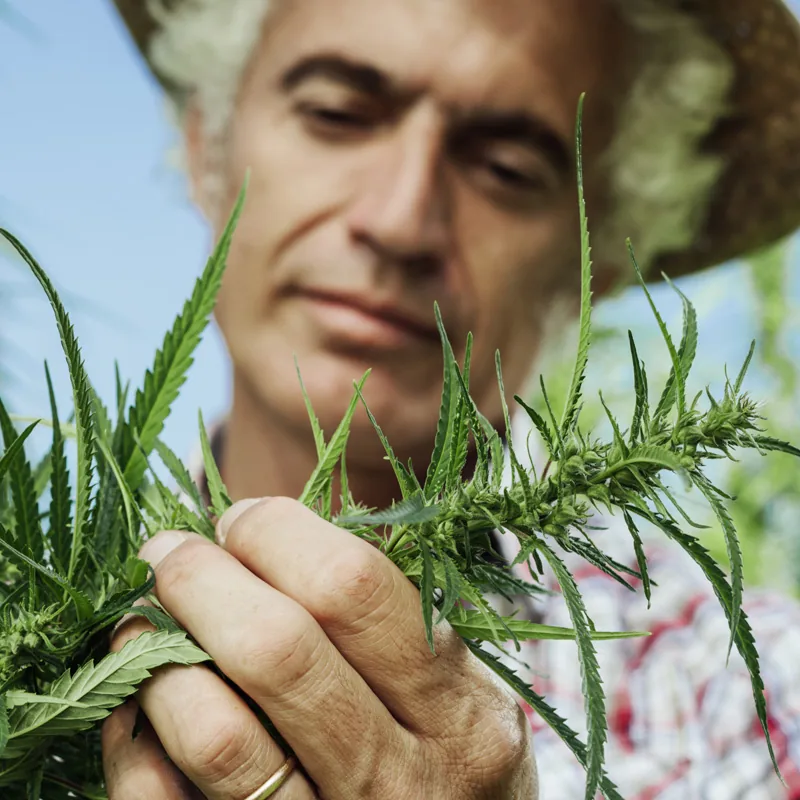
The industrial hemp eco story is one of the most compelling in modern sustainability, offering a single crop that produces food, medicine, fabric, fuel, bioplastics, and building materials while actively restoring the soil beneath it. For thousands of years, civilizations across every continent have relied on this remarkable plant to sustain economies and nourish communities. Today, a growing wave of farmers, policymakers, and consumers is rediscovering what ancient cultures always knew: industrial hemp is one of the most versatile and environmentally responsible crops on Earth.
Industrial Hemp Eco Basics: What Makes This Plant Different
Industrial hemp and marijuana both carry the Latin name Cannabis sativa, yet they are profoundly different plants in appearance, chemistry, and purpose. Industrial hemp grows tall and fibrous, typically reaching heights of four to fifteen feet. Its woody central stalk, called the hurd, measures between one quarter and three quarters of an inch in diameter. Marijuana, by contrast, grows shorter and bushier, resembling a leafy houseplant with dense flower clusters.
The most important chemical distinction lies in delta-9 tetrahydrocannabinol, commonly known as THC. Marijuana contains THC concentrations ranging from five percent to thirty percent, which is the compound responsible for psychoactive intoxication. Industrial hemp contains only trace amounts of THC, typically between 0.05 percent and 0.3 percent, far too little to produce any intoxicating effect. Industrial hemp is also rich in cannabidiol, or CBD, a non-psychoactive compound that research suggests may offer antipsychotic and anti-inflammatory properties. Under the 2018 Farm Bill in the United States, hemp is legally defined as Cannabis sativa with a THC concentration at or below 0.3 percent on a dry weight basis.
A Deep History: Industrial Hemp Eco Roots Across Civilizations
The history of industrial hemp stretches back at least 4,500 years. Archaeologists have uncovered evidence of hemp cultivation in China dating to approximately 2500 BCE, where early records show it was grown first for fabric and later for food. The Latin word for hemp translates broadly to fiber, reflecting its primary role as a fiber-bearing plant. In Arabic, the word for hemp means canvas, pointing to its widespread use in sailmaking and textiles across the ancient world.
In 1537, the Greek physician Dioscorides formally recorded the plant’s Latin name, Cannabis sativa, noting its applications in rope making and medicine. Trade routes carried Cannabis cultivation from Asia into the Middle East and eventually into Europe. The Greek historian Herodotus documented the purchase of hemp cloth from Gaul around 450 CE. During the reign of English King Henry VIII, the crown issued mandates requiring farmers to grow hemp specifically to supply the Royal Navy with sails, cordage, and paper.
When European colonists arrived in North America, they brought hemp seeds with them because they understood its essential value. American colonial governments were so convinced of hemp’s importance that they passed laws requiring every farmer to grow it. Jamestown, Virginia enacted the first such law in 1619. Massachusetts followed in 1631, Connecticut in 1632, and dozens of other colonies passed similar legislation throughout the 1700s. Hemp was so valued that it served as legal currency and was accepted as payment for taxes well into the 1800s. Levi Strauss famously used hemp canvas in the original construction of durable work jeans, and hemp rope and burlap were staples of American industry for generations.
The Decline of Industrial Hemp in the Twentieth Century
The early twentieth century brought dramatic changes to hemp’s legal status in the United States. During the 1910s and 1920s, Mexican immigrants arriving in the Southern and Western states introduced Cannabis as a recreational drug. Law enforcement officials in those regions, often motivated by racial and cultural prejudice, began associating all Cannabis use with crime and moral decay. This fear spread rapidly through the media and into Congress, even though the Eastern states continued to benefit economically from industrial hemp production.
In 1937, Congress passed the Marihuana Tax Act, which levied a steep tax on all Cannabis cultivation. Although the law technically distinguished between industrial hemp and narcotic varieties, the financial and administrative burden it imposed effectively discouraged farmers from planting hemp at all. Commissioner Harry J. Anslinger of the Federal Bureau of Narcotics assured Congress that industrial hemp production would continue unaffected, but the reality proved otherwise. Hemp acreage in the United States dropped sharply within just a few years of the law’s passage.
The situation shifted briefly during World War II. After Japan cut off the United States’ supply of Manila hemp and other imported fibers, the federal government launched the “Hemp for Victory” campaign in 1942, urging American farmers to grow hemp to support the war effort. Farmers in Wisconsin, Kentucky, and other states responded, and hemp production surged temporarily. Once the war ended, however, the government reversed course and resumed its suppression of hemp farming. The Controlled Substances Act of 1970 ultimately classified all Cannabis, including industrial hemp, as a Schedule I controlled substance, effectively ending legal hemp cultivation in the United States for decades.
The Modern Industrial Hemp Eco Revival and Legal Landscape
The modern industrial hemp eco revival began gaining serious momentum in the early 2000s as researchers, farmers, and environmental advocates pushed back against the blanket prohibition of Cannabis. Several states began passing their own hemp research and cultivation laws, creating a patchwork of regulations that put pressure on the federal government to act. The Agricultural Act of 2014, commonly known as the 2014 Farm Bill, allowed state departments of agriculture and universities to grow hemp for research purposes under pilot programs.
The landmark shift came with the Agriculture Improvement Act of 2018, known as the 2018 Farm Bill, which removed hemp from the federal list of controlled substances and authorized its commercial cultivation nationwide. The law defined hemp as Cannabis sativa with a THC concentration at or below 0.3 percent and gave the United States Department of Agriculture authority to regulate hemp production plans submitted by states and tribes. You can review the official USDA hemp program details at the USDA Agricultural Marketing Service hemp page. Since 2018, licensed hemp acreage in the United States has grown substantially, with farmers in dozens of states now cultivating the crop for fiber, grain, and CBD extraction.
Internationally, the European Union has maintained a legal framework for industrial hemp cultivation for decades, requiring that approved varieties contain no more than 0.2 percent THC. Canada legalized industrial hemp production in 1998 under the Industrial Hemp Regulations, and Canadian farmers have built a robust hemp grain and fiber industry in the years since. These international models provided important evidence that legal hemp farming could coexist with effective drug policy enforcement.
Industrial Hemp Eco Benefits for Soil and Climate
One of the most powerful industrial hemp eco arguments is the crop’s extraordinary environmental profile. Hemp is a natural phytoremediator, meaning its roots absorb heavy metals and toxins from contaminated soil. Researchers have studied hemp’s ability to extract cesium and strontium from radioactive soil near Chernobyl, Ukraine, demonstrating the plant’s capacity to help clean up industrial and nuclear contamination sites. This makes hemp a genuinely useful tool in environmental restoration projects.
Hemp also sequesters carbon dioxide at a remarkable rate. Studies suggest that one hectare of industrial hemp can absorb between eight and fifteen tonnes of carbon dioxide during a single growing season, which is more than most trees absorb over the same period. Because hemp grows so quickly, reaching full height in as little as 100 days, it cycles carbon out of the atmosphere faster than slower-growing crops and forests. The carbon stored in hemp fiber products, including hempcrete building blocks and hemp textiles, remains locked away for the life of those products.
Hemp requires significantly less water than cotton, one of its primary competitors in the textile market. Cotton is one of the most water-intensive crops in the world, requiring roughly 10,000 liters of water to produce one kilogram of fiber. Hemp requires far less irrigation and can thrive in a wider range of climates and soil conditions. Hemp also needs little to no pesticide application because its dense canopy shades out competing weeds and its natural compounds deter many common pests. The United States Environmental Protection Agency recognizes reduced pesticide use as a key factor in sustainable agricultural systems, and hemp’s natural resistance makes it a strong candidate for low-input farming.
Industrial Hemp Eco Products: From Fiber to Food to Fuel
The range of products derived from industrial hemp is genuinely staggering. Every part of the plant, from its seeds to its stalks to its leaves, can be processed into something useful. This whole-plant usability is a core reason why the industrial hemp eco movement has attracted so much attention from manufacturers, entrepreneurs, and sustainability advocates.
Hemp seeds are a nutritional powerhouse. They contain all nine essential amino acids, making them one of the few plant-based complete proteins. Hemp seeds are rich in omega-3 and omega-6 fatty acids in an ideal ratio for human health, and they provide significant amounts of magnesium, zinc, iron, and vitamin E. Hemp seed oil is used in cooking, cosmetics, and nutritional supplements. Hemp protein powder has become a popular ingredient in plant-based diets and athletic nutrition products.
Hemp fiber, derived from the plant’s long outer stalks, is among the strongest natural fibers available. It is used to produce textiles, rope, canvas, and paper. Hemp fabric is naturally antimicrobial, breathable, and UV resistant, and it becomes softer with each wash. The inner woody core of the stalk, called the hurd or shiv, is used to make hempcrete, a lightweight building material that is both insulating and carbon negative. Hempcrete walls absorb carbon dioxide as they cure and continue to do so over the life of the building.
Hemp can also be processed into biofuel. Hemp biodiesel, produced from hemp seed oil, and hemp ethanol, produced through fermentation of the plant’s cellulose, are both viable renewable fuel sources. While hemp biofuel is not yet produced at commercial scale in the United States, research continues into its potential as a low-carbon alternative to petroleum-based fuels. Hemp-based bioplastics are another emerging application, offering a biodegradable alternative to conventional petroleum plastics that persist in landfills and oceans for centuries.
Industrial Hemp Eco Impact on the Economy and Rural Communities
The economic potential of industrial hemp is substantial, particularly for rural farming communities that have struggled with declining commodity prices and soil degradation from monoculture agriculture. Hemp can serve as a valuable rotation crop, breaking pest and disease cycles that build up in fields planted repeatedly with the same commodity crops. Its deep root system also improves soil structure and organic matter content, leaving fields in better condition for subsequent plantings.
According to data from the USDA and industry analysts, the global industrial hemp market was valued at several billion dollars in the early 2020s and is projected to continue growing as demand for hemp-derived CBD, fiber, and grain increases. American farmers who entered the hemp market after the 2018 Farm Bill found a crop that could command significantly higher per-acre returns than traditional commodity crops like corn or soybeans, though market volatility and processing infrastructure gaps have presented challenges as well.
Processing infrastructure is one of the most important factors limiting hemp’s economic expansion. Unlike corn or soybeans, which have extensive networks of elevators, processors, and end buyers, hemp requires specialized decorticating equipment to separate fiber from hurd, and dedicated extraction facilities to process CBD from flower. Investment in this infrastructure is growing, and organizations like the Vote Hemp advocacy organization have tracked the expansion of licensed hemp acreage and processing capacity across the United States year by year.
Hemp in Medicine and Wellness: The CBD Connection
Cannabidiol, or CBD, extracted from industrial hemp flowers and leaves has become one of the most discussed compounds in modern wellness. Unlike THC, CBD does not produce intoxication. Research published in peer-reviewed journals has explored CBD’s potential applications in managing anxiety, inflammation, epilepsy, and chronic pain. The FDA approved the first CBD-based pharmaceutical drug, Epidiolex, in 2018 for the treatment of two rare and severe forms of childhood epilepsy, marking a significant milestone in the medical recognition of hemp-derived compounds.
The consumer CBD market has expanded rapidly since 2018, with products ranging from tinctures and capsules to topical creams and food additives appearing in pharmacies, health food stores, and online retailers across the country. Regulatory clarity from the FDA regarding CBD in food and dietary supplements remains an ongoing area of policy development, and consumers are encouraged to research product quality and third-party testing before purchasing CBD products.
Beyond CBD, hemp leaves and flowers contain a broad spectrum of other cannabinoids, terpenes, and flavonoids that researchers are still working to understand. The concept of the entourage effect suggests that these compounds may work together synergistically to produce health benefits greater than any single isolated compound. This area of research is still developing, and consumers should consult healthcare providers before using hemp-derived products for any medical purpose.
Industrial Hemp Eco Challenges and the Road Ahead
Despite its remarkable potential, the industrial hemp eco sector faces real and significant challenges. Regulatory complexity remains a major barrier. Even after the 2018 Farm Bill, hemp farmers must navigate state-level licensing requirements, mandatory THC testing before harvest, and strict disposal protocols for crops that test above the legal THC threshold. A single crop that tests hot, meaning above 0.3 percent THC, must be destroyed, representing a total loss for the farmer. Breeding programs are actively working to develop certified hemp varieties with stable, low THC genetics to reduce this risk.
Market saturation in the CBD sector following the initial post-2018 boom led to significant price drops for hemp flower and biomass, squeezing farmer margins and causing some early adopters to exit the market. The fiber and grain sectors of the hemp market are considered more stable long-term opportunities, but they require investment in processing infrastructure that is still being built out across the country. Industry observers note that hemp’s long-term success depends on developing reliable supply chains and end markets comparable to those that exist for conventional agricultural commodities.
Consumer education is another ongoing need. Many people still conflate industrial hemp with marijuana, creating unnecessary hesitation around hemp products. Clear labeling, transparent third-party testing, and accurate public communication about the differences between hemp and marijuana are essential to building lasting consumer trust. Sustainability marketing agencies and advocacy organizations play an important role in communicating the genuine industrial hemp eco benefits to both consumers and policymakers in a way that is honest, evidence-based, and accessible.
Why Industrial Hemp Eco Farming Matters for Our Sustainable Future
The case for industrial hemp as a cornerstone of sustainable agriculture and manufacturing is built on decades of research, centuries of historical use, and a growing body of modern evidence. Hemp can feed people, clothe them, house them, heal them, and fuel their vehicles, all while improving the soil it grows in and pulling carbon dioxide out of the atmosphere. Few crops in the world can make that claim with such breadth and credibility.
As climate change accelerates and the limitations of petroleum-based materials become more apparent, the industrial hemp eco opportunity grows more urgent. Replacing even a fraction of conventional cotton with hemp textiles would reduce global pesticide use and water consumption significantly. Scaling up hempcrete construction could help decarbonize the building industry, which is responsible for a substantial share of global greenhouse gas emissions. Expanding hemp grain production could provide affordable, nutrient-dense protein to growing populations around the world.
The path forward requires continued investment in research, infrastructure, and policy development. It requires farmers willing to learn new cultivation practices, processors willing to build new facilities, and brands willing to commit to hemp-based materials even when conventional alternatives are cheaper in the short term. Most importantly, it requires consumers and policymakers who understand the full industrial hemp eco picture and are willing to support a crop that has earned its place at the center of a more sustainable economy.
Frequently Asked Questions
What is industrial hemp and how is it different from marijuana?
Industrial hemp is a variety of Cannabis sativa grown for fiber, grain, and CBD, containing no more than 0.3 percent THC by dry weight. Marijuana is cultivated for its high THC content, which ranges from five to thirty percent and produces psychoactive intoxication. Industrial hemp does not produce any intoxicating effect and is legally distinct from marijuana under the 2018 Farm Bill in the United States.What are the main industrial hemp eco benefits for the environment?
The industrial hemp eco benefits include carbon sequestration, soil remediation, and dramatically reduced pesticide and water use compared to crops like cotton. One hectare of hemp can absorb between eight and fifteen tonnes of carbon dioxide per growing season. Hemp’s dense canopy naturally suppresses weeds, reducing the need for herbicides, and its roots improve soil structure and organic matter content.Is industrial hemp legal to grow in the United States?
Yes, industrial hemp became federally legal in the United States under the Agriculture Improvement Act of 2018, commonly called the 2018 Farm Bill. The law removed hemp from the federal Controlled Substances Act and authorized commercial cultivation under USDA-approved state and tribal plans. Farmers must obtain a license and submit to mandatory THC testing before harvest to ensure their crop does not exceed the 0.3 percent THC legal threshold.What products can be made from industrial hemp?
Industrial hemp can be processed into textiles, rope, paper, hempcrete building materials, bioplastics, biofuel, food products, nutritional supplements, and CBD extracts. Hemp seeds provide complete protein and essential fatty acids, while the stalk produces strong natural fiber and a woody core used in construction. Every part of the plant has a documented commercial application, making it one of the most versatile crops in agriculture.How does industrial hemp eco farming help fight climate change?
Industrial hemp eco farming contributes to climate change mitigation by sequestering large amounts of carbon dioxide during its rapid growth cycle, which can be as short as 100 days. Hemp-based products like hempcrete continue to absorb carbon after harvest, locking it away for the life of the building or product. Replacing conventional materials with hemp-derived alternatives in textiles, plastics, and construction can reduce greenhouse gas emissions across multiple industries.What is hempcrete and why is it considered sustainable?
Hempcrete is a lightweight building material made from the woody inner core of the hemp stalk, called the hurd or shiv, mixed with lime binder and water. It is considered sustainable because it is carbon negative, meaning it absorbs more carbon dioxide during curing and over its lifespan than was emitted during its production. Hempcrete also provides excellent thermal insulation, reducing the energy needed to heat and cool buildings.Can hemp be used as a food source?
Yes, hemp seeds are a highly nutritious food source containing all nine essential amino acids, making them one of the few complete plant proteins. They are also rich in omega-3 and omega-6 fatty acids, magnesium, zinc, and vitamin E. Hemp seed oil, hemp protein powder, and hulled hemp hearts are all commercially available food products derived from the hemp plant.What is CBD and does it come from industrial hemp?
CBD, or cannabidiol, is a non-psychoactive compound found in the flowers and leaves of industrial hemp plants. It does not produce intoxication and is distinct from THC, the psychoactive compound found in marijuana. The FDA approved a CBD-based pharmaceutical drug called Epidiolex in 2018 for treating severe childhood epilepsy, and CBD is widely used in consumer wellness products including tinctures, capsules, and topical creams.Why did the United States ban industrial hemp in the twentieth century?
The United States effectively banned industrial hemp through the Marihuana Tax Act of 1937, which imposed heavy taxes on all Cannabis cultivation and discouraged farmers from growing hemp even though the law technically distinguished it from marijuana. The Controlled Substances Act of 1970 completed the prohibition by classifying all Cannabis as a Schedule I controlled substance. The ban was driven largely by anti-drug sentiment, racial prejudice toward Mexican immigrants, and lobbying from competing industries rather than scientific evidence about hemp’s harms.How does industrial hemp eco farming compare to cotton farming?
Industrial hemp eco farming requires significantly less water than cotton, which needs roughly 10,000 liters of water to produce one kilogram of fiber. Hemp also requires little to no pesticide application because its dense canopy shades out weeds and its natural compounds deter many pests, while cotton is one of the most pesticide-intensive crops in the world. Hemp fiber is also stronger and more durable than cotton, and it improves soil health rather than depleting it over successive growing seasons.Related Articles
- Cannabis Sustainability: The Future of the Industry Depends on It
- What is a Sustainable Marketing Company?
- Simple Ways to Create a Sustainable Lifestyle
- Creating Your Own Sustainable Business Website? Think Again!
- How To Promote Your Sustainable Business
Turning your mission into a brand people trust? See how Planet Media approaches sustainable branding for purpose-driven organizations.

Kurt Whitt
Planet Media
Founder and CEO of Planet Media, a sustainability focused marketing agency. 25+ years helping purpose driven brands grow through strategy, storytelling and design.
More about the team