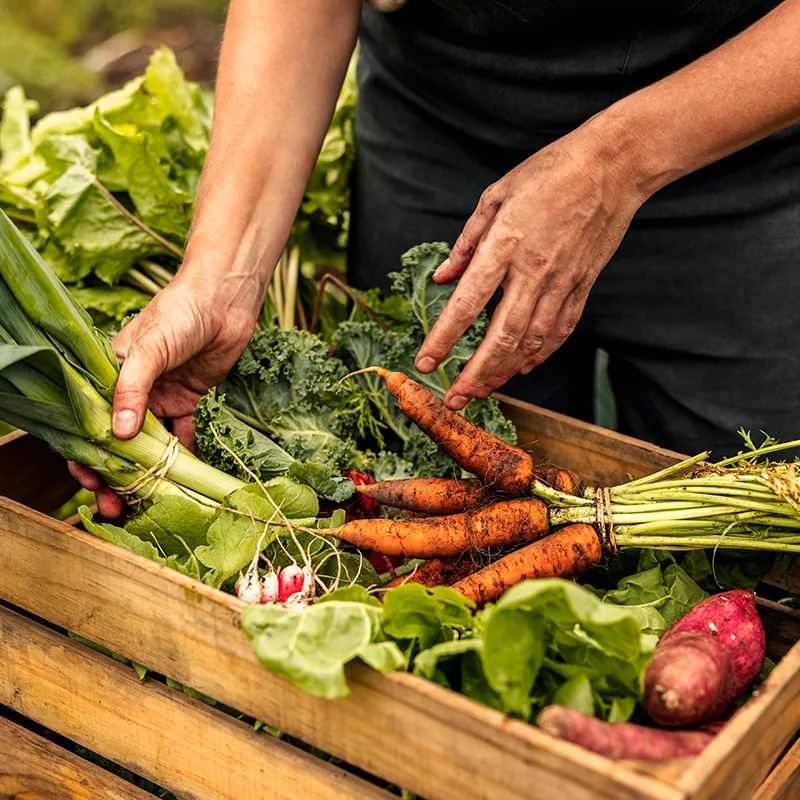
Cultivating harmony: benefits like these do not happen by accident. When you choose to grow food and flowers without synthetic chemicals, you set off a chain reaction that improves soil, protects water, supports wildlife, and even slows climate change. Organic gardening is no longer a fringe hobby practiced by a small group of enthusiasts. It is a science-backed, community-driven approach to land stewardship that millions of people around the world are embracing right now, and the evidence for its positive impact on the planet grows stronger every year.
This guide explores every major dimension of organic gardening’s planetary impact. Whether you tend a small balcony container garden or manage a large backyard plot, the principles here apply to you. By the end, you will understand exactly why organic methods matter, how they work at a biological level, and what practical steps you can take today to make your garden a force for good.
What Organic Gardening Actually Means
Organic gardening is the practice of growing plants without synthetic pesticides, herbicides, or fertilizers. Instead, it relies on natural inputs such as compost, aged manure, cover crops, and beneficial insects to feed plants and manage pests. The goal is to work with natural systems rather than override them.
The United States Department of Agriculture defines organic production as a system that integrates cultural, biological, and mechanical practices that foster cycling of resources, promote ecological balance, and conserve biodiversity. You can read the full definition at the USDA Organic program page. That definition matters because it sets a high bar. Organic gardening is not simply about avoiding one or two chemicals. It is a whole-system philosophy that touches every decision you make in the garden, from what you plant to how you water to what you do with kitchen scraps.
Understanding this broad definition helps explain why the benefits of organic gardening extend so far beyond the garden fence. Every choice you make in an organic garden ripples outward into the surrounding ecosystem.
Cultivating Harmony: Benefits for Soil Health and Long-Term Fertility
Healthy soil is the foundation of every productive garden, and it is also one of the most threatened resources on Earth. According to the Food and Agriculture Organization of the United Nations, about one third of the world’s soils are already degraded, largely due to intensive agricultural practices that strip organic matter and disrupt microbial communities. Organic gardening directly reverses this trend.
When you add compost to your beds, you are not just feeding plants. You are feeding billions of bacteria, fungi, earthworms, and other organisms that form the soil food web. These organisms break down organic matter into plant-available nutrients, create channels that improve drainage and aeration, and produce sticky compounds called glomalin that bind soil particles into stable aggregates. The result is a crumbly, dark, sweet-smelling soil that holds water efficiently and resists erosion.
Crop rotation, another cornerstone of organic practice, prevents the buildup of soil-borne pathogens and balances nutrient demand. Legumes like beans and clover fix atmospheric nitrogen through a partnership with Rhizobium bacteria, reducing or eliminating the need for any nitrogen inputs at all. Mulching with straw, wood chips, or shredded leaves protects the soil surface from rain impact, moderates temperature swings, and feeds soil organisms as it slowly decomposes.
Cover crops such as winter rye, buckwheat, and hairy vetch are particularly powerful tools. They prevent bare soil from eroding during rain events, scavenge nutrients that would otherwise leach into groundwater, and add significant organic matter when tilled in or cut and dropped as mulch. A garden that uses these practices consistently builds soil carbon year after year, creating a self-reinforcing cycle of fertility that requires fewer and fewer outside inputs over time.
Cultivating Harmony: Benefits for Biodiversity Above and Below Ground
One of the most compelling reasons to garden organically is the dramatic effect it has on biodiversity. Conventional monoculture farming, whether on a commercial scale or in a suburban lawn, creates biological deserts. Organic gardens, by contrast, are buzzing, crawling, chirping ecosystems.
When you grow a diverse mix of vegetables, herbs, and flowering plants, you provide food and habitat for a wide range of insects. Pollinators like bees, butterflies, and hoverflies are drawn to open flowers. Predatory insects like ground beetles, lacewings, and parasitic wasps find shelter in mulched beds and hedgerows. These beneficial insects do the work of pest control for free, reducing or eliminating the need for any intervention at all.
Birds follow the insects. A garden rich in caterpillars, beetles, and earthworms attracts robins, wrens, and sparrows that further suppress pest populations. Frogs and toads, which are highly sensitive to pesticide contamination, return to organic gardens and consume enormous numbers of slugs and aphids. The entire food web rebuilds itself when you simply stop poisoning it.
Below ground, the story is equally dramatic. A single teaspoon of healthy organic soil contains more microorganisms than there are people on Earth. Mycorrhizal fungi form networks that connect plant roots across large areas, sharing water and nutrients in exchange for sugars. These networks are destroyed by synthetic fertilizers and tillage but thrive in organic systems. Protecting and nurturing this underground biodiversity is one of the most important things a gardener can do for long-term ecosystem health.
Reducing Environmental Pollution Through Organic Practices
Synthetic pesticides and fertilizers are among the most significant sources of non-point-source water pollution in the United States. When it rains, these chemicals wash off lawns and gardens into storm drains, streams, and eventually rivers and coastal waters. The result is eutrophication, a process in which excess nutrients, especially nitrogen and phosphorus, trigger explosive algae growth that depletes oxygen and kills fish and other aquatic life.
The Environmental Protection Agency has identified nutrient pollution as one of the most widespread and costly environmental problems in the country. You can learn more at the EPA Nutrient Pollution resource page. Organic gardening addresses this problem at the source by replacing soluble synthetic fertilizers with slow-release organic amendments that are far less likely to leach into waterways.
Pesticide contamination is an equally serious concern. Neonicotinoid insecticides, which are widely used in conventional horticulture, have been linked to catastrophic declines in bee populations. Glyphosate, the world’s most widely used herbicide, has been detected in groundwater, rainwater, and even human urine. Organic gardening eliminates these inputs entirely, replacing them with physical barriers, companion planting, and biological controls that pose no risk to non-target organisms.
Even the air benefits. Synthetic nitrogen fertilizers release nitrous oxide, a greenhouse gas roughly 300 times more potent than carbon dioxide, during microbial processing in the soil. Organic nitrogen sources release nutrients much more slowly and produce far lower nitrous oxide emissions, making organic gardens cleaner in every direction.
Cultivating Harmony: Benefits for Climate Change Mitigation
Agriculture is responsible for approximately 10 to 12 percent of global greenhouse gas emissions, and conventional farming practices are a major driver of that figure. Organic gardening offers a meaningful alternative that both reduces emissions and actively sequesters carbon from the atmosphere.
Carbon sequestration happens when organic matter is added to soil. Every shovelful of compost you dig in contains stable carbon compounds that can remain locked in the soil for decades. Practices like no-till or reduced-till gardening preserve soil structure and prevent the oxidation of stored carbon that occurs when soil is repeatedly turned. Perennial plantings, including fruit trees, berry bushes, and perennial vegetables, store carbon in their woody tissue and root systems year after year.
Agroforestry, the practice of integrating trees into food-growing systems, is one of the most powerful carbon sequestration strategies available to home gardeners. Even a single apple tree or a row of hazelnuts along a fence line contributes meaningfully to the carbon balance of your property while providing food, shade, and wildlife habitat.
Organic gardens also reduce the carbon footprint associated with food production by shortening supply chains. Food grown at home or sourced from local organic farms travels a fraction of the distance that supermarket produce does, eliminating the fuel consumption and refrigeration energy associated with long-distance transport. When you eat a tomato you grew yourself, its carbon footprint is essentially zero.
Water Conservation and Watershed Protection
Water is becoming an increasingly scarce resource in many parts of the world, and the way we manage our gardens has a direct impact on local water cycles. Organic gardening practices are inherently water-smart because they prioritize soil organic matter, which dramatically improves the water-holding capacity of any soil type.
Research has shown that increasing soil organic matter by just one percent can allow an acre of soil to hold an additional 20,000 gallons of water. For a home gardener, this translates to less frequent watering, lower water bills, and plants that are far more resilient during dry spells. Mulching amplifies this effect by reducing evaporation from the soil surface by up to 70 percent.
Rainwater harvesting is a natural complement to organic gardening. Collecting roof runoff in barrels or cisterns and using it to irrigate garden beds reduces demand on municipal water supplies and keeps water in the local watershed rather than sending it rushing into storm drains. Swales, berms, and rain gardens can be designed to slow, spread, and sink rainfall across a property, recharging groundwater and reducing flood risk downstream.
By avoiding synthetic chemicals, organic gardeners also protect the quality of the water that does leave their property. Clean water entering local streams and aquifers supports healthier fish populations, safer drinking water, and more resilient wetland ecosystems. The cumulative effect of thousands of organic gardens in a single watershed can be genuinely significant.
Cultivating Harmony: Benefits for Community and Food Sovereignty
The benefits of organic gardening extend well beyond the physical environment. They reach into the social fabric of communities, strengthening food security, preserving cultural heritage, and building connections between people and the land that feeds them.
Food sovereignty, the right of people to define their own food systems, is increasingly recognized as a fundamental aspect of human dignity and community resilience. When individuals and families grow their own organic food, they reduce their dependence on industrial supply chains that are vulnerable to disruption. The COVID-19 pandemic demonstrated just how fragile those supply chains can be, and it triggered a massive surge in home gardening that has not fully subsided.
Community gardens take this principle further by bringing neighbors together around shared growing spaces. Research consistently shows that community gardens improve mental health, reduce social isolation, increase physical activity, and provide fresh produce to neighborhoods that often lack access to affordable healthy food. Organic community gardens add an educational dimension, teaching participants of all ages about ecology, nutrition, and the natural cycles that sustain life.
Seed saving is another powerful dimension of organic gardening’s community benefits. When gardeners save seeds from open-pollinated and heirloom varieties, they preserve genetic diversity that has been developed and refined over thousands of years of human agriculture. This living library of plant genetics is irreplaceable and represents a form of cultural heritage as important as any museum collection. Organizations like the Seed Savers Exchange work to protect this heritage, and every organic gardener who saves seeds contributes to that mission. You can explore their work at the Seed Savers Exchange website.
Cultivating Harmony: Benefits for Human Health and Nutritional Quality
The planet’s health and human health are inseparable, and organic gardening improves both simultaneously. Produce grown in rich, biologically active organic soil consistently shows higher levels of certain vitamins, minerals, and antioxidants compared to conventionally grown counterparts. This is not surprising when you consider that plants draw their nutritional content from the soil, and organic soils are simply more nutritionally complex.
Avoiding pesticide residues is an equally important health benefit. The President’s Cancer Panel and numerous independent researchers have raised concerns about the cumulative effects of low-level pesticide exposure, particularly in children whose developing nervous systems are especially vulnerable. Growing your own organic food eliminates this exposure entirely for the produce you consume at home.
The act of gardening itself is profoundly beneficial to mental and physical health. Digging, planting, weeding, and harvesting are forms of moderate physical activity that improve cardiovascular health, flexibility, and strength. Exposure to soil microorganisms, particularly Mycobacterium vaccae, has been shown in research studies to stimulate serotonin production in the brain, improving mood and reducing anxiety. Spending time in a garden reduces cortisol levels, lowers blood pressure, and promotes the kind of restorative attention that counteracts the mental fatigue of screen-heavy modern life.
Children who participate in organic gardening develop healthier eating habits, greater environmental awareness, and a stronger sense of connection to the natural world. These early experiences shape attitudes and behaviors that persist throughout life, creating the next generation of environmental stewards.
Practical Steps to Start or Deepen Your Organic Garden
Understanding the benefits of organic gardening is inspiring, but taking action is what actually moves the needle. Here are concrete, proven steps you can take regardless of your experience level or the size of your growing space.
Start a compost pile. This single action is the most impactful thing most gardeners can do. Collect kitchen scraps like vegetable peels, coffee grounds, and eggshells along with garden waste like leaves, grass clippings, and spent plants. Layer them in a bin or pile, keep the material as moist as a wrung-out sponge, and turn it occasionally. Within a few months you will have rich, dark compost that transforms any soil.
Test your soil before adding amendments. A basic soil test from your local cooperative extension service costs very little and tells you exactly what your soil needs. Adding nutrients your soil already has in abundance is wasteful and can actually harm plant health. Targeted amendments based on test results are far more effective and economical.
Choose plants suited to your climate and conditions. Locally adapted varieties require less water, less fertilizer, and less pest management because they are already matched to the environment. Native plants are especially valuable because they have co-evolved with local insects and wildlife over thousands of years.
Practice companion planting. Growing basil near tomatoes, nasturtiums near squash, and dill near brassicas creates a more complex and resilient garden ecosystem. Many companion planting combinations have strong scientific support, and all of them increase plant diversity, which benefits pollinators and predatory insects.
Eliminate or dramatically reduce tillage. Every time you turn the soil, you destroy fungal networks, expose buried weed seeds to light, and release stored carbon. Transitioning to a no-dig or minimal-dig approach, where you add compost and mulch on top rather than digging it in, produces better results with less work over time.
Connect with your local organic gardening community. Master Gardener programs, community garden networks, and local seed libraries are invaluable sources of knowledge, support, and free or low-cost resources. Gardening is more enjoyable and more successful when practiced in community.
The Bigger Picture: Organic Gardens as Agents of Planetary Change
It is easy to look at a small backyard garden and wonder whether it can really make a difference in the face of global environmental challenges. The answer, supported by both science and lived experience, is yes. Scale matters, but so does direction. Every organic garden points in the right direction, and the cumulative effect of millions of gardens pointing that way is genuinely transformative.
Consider that there are approximately 55 million home gardens in the United States alone. If even a fraction of those gardens transitioned to fully organic practices, the combined impact on soil carbon, water quality, biodiversity, and pesticide reduction would be enormous. Individual action, multiplied across millions of households, becomes collective action at a scale that rivals policy interventions.
Organic gardens also serve as demonstration sites that shift cultural norms. When your neighbors see your thriving, beautiful, productive garden and learn that you achieved it without chemicals, they become curious. That curiosity leads to conversations, and those conversations lead to change. The social diffusion of organic practices through neighborhoods and communities is one of the most underappreciated mechanisms of environmental progress.
At Planet Media, we work with sustainability-focused brands and organizations to communicate exactly this kind of story. The science of organic gardening is compelling, but it is the human stories, the gardener who restored a degraded urban lot, the family that eliminated their grocery bill, the school that transformed a parking strip into a pollinator corridor, that move people to act. If your organization is working to advance sustainable food systems, regenerative agriculture, or environmental education, we can help you tell that story in a way that inspires action and builds lasting community.
The path forward for our planet runs through the soil. It runs through the hands of gardeners who choose to work with nature rather than against it. It runs through communities that reclaim their relationship with food and the land. Organic gardening is not a solution to every environmental problem, but it is a practice that makes every other solution more possible. Start where you are, use what you have, and grow from there.
Frequently Asked Questions
What does cultivating harmony: benefits mean in the context of organic gardening?
Cultivating harmony: benefits refers to the wide range of positive outcomes that arise when gardeners work with natural systems instead of against them. These benefits include healthier soil, cleaner water, greater biodiversity, and a reduced carbon footprint. The phrase captures the idea that organic gardening creates balance between human activity and the natural world.How does organic gardening improve soil health?
Organic gardening improves soil health by adding compost, using cover crops, practicing crop rotation, and minimizing tillage. These practices feed soil microorganisms, increase organic matter content, and build stable soil aggregates that resist erosion. Over time, organically managed soil becomes more fertile, more water-retentive, and more biologically active without any synthetic inputs.Does organic gardening really help fight climate change?
Yes, organic gardening helps fight climate change in two ways: by reducing greenhouse gas emissions and by sequestering carbon in the soil. Organic matter added through compost and cover crops locks carbon into stable compounds that can remain in the soil for decades. Avoiding synthetic nitrogen fertilizers also reduces nitrous oxide emissions, which are roughly 300 times more potent than carbon dioxide as a greenhouse gas.What are the water quality benefits of organic gardening?
Organic gardening protects water quality by eliminating synthetic pesticides and fertilizers that commonly wash off conventional gardens into streams and groundwater. It also improves soil structure so that water is absorbed rather than running off, reducing erosion and nutrient pollution in local watersheds. The result is cleaner drinking water, healthier aquatic ecosystems, and more resilient local water cycles.How does organic gardening support biodiversity?
Organic gardening supports biodiversity by providing habitat and food for a wide range of insects, birds, and soil organisms. Diverse plantings attract pollinators and predatory insects that naturally control pests, while the absence of synthetic chemicals allows sensitive species like frogs, bees, and earthworms to thrive. Below ground, organic practices protect the fungal networks and microbial communities that are essential to ecosystem function.Is organic gardening more expensive than conventional gardening?
Organic gardening can have higher upfront costs for certain inputs like compost or organic transplants, but it typically becomes less expensive over time. As soil health improves, plants require fewer amendments and less intervention, reducing ongoing costs. Saving seeds, making your own compost, and growing food that replaces grocery purchases can make organic gardening a significant net financial benefit.Can cultivating harmony: benefits apply to small spaces like balconies or container gardens?
Absolutely. Cultivating harmony: benefits are accessible to gardeners of any scale, including those with only a balcony or a few containers. Using organic potting mix, compost tea, and companion planting in containers eliminates pesticide exposure, supports pollinators, and produces nutritious food without any synthetic chemicals. Even a single pot of herbs grown organically contributes to a healthier local environment.What is the connection between organic gardening and food sovereignty?
Food sovereignty is the ability of individuals and communities to control their own food supply, and organic gardening is one of the most direct ways to exercise that control. Growing your own food organically reduces dependence on industrial supply chains, preserves traditional seed varieties, and ensures access to fresh, chemical-free produce. Community organic gardens extend these benefits to entire neighborhoods, particularly those with limited access to affordable healthy food.How does organic gardening benefit human health beyond avoiding pesticides?
Beyond eliminating pesticide exposure, organic gardening benefits human health through the physical activity of gardening, which improves cardiovascular health and reduces stress hormones. Exposure to soil microorganisms has been shown to stimulate serotonin production, improving mood and reducing anxiety. Produce grown in rich organic soil also tends to contain higher levels of certain vitamins, minerals, and antioxidants compared to conventionally grown food.How can cultivating harmony: benefits scale from individual gardens to community-wide impact?
Cultivating harmony: benefits scale through the cumulative effect of many individual choices made in the same direction. With approximately 55 million home gardens in the United States, a broad shift toward organic practices would produce measurable improvements in soil carbon, water quality, and biodiversity at a regional level. Organic gardens also serve as visible demonstrations that inspire neighbors and communities to adopt similar practices, creating a social multiplier effect that amplifies individual action.Related Articles
- The Benefits of Using Organic Products: A Healthier, Greener Choice
- What Does Real Sustainability Look Like?
- Greenwashing: How Companies Are Tricking You with Fake Eco-Friendly Claims
- How To Promote Your Sustainable Business
- What is a Sustainable Marketing Company?
Turning your mission into a brand people trust? See how Planet Media approaches sustainable branding for purpose-driven organizations.

Kurt Whitt
Planet Media
Founder and CEO of Planet Media, a sustainability focused marketing agency. 25+ years helping purpose driven brands grow through strategy, storytelling and design.
More about the team