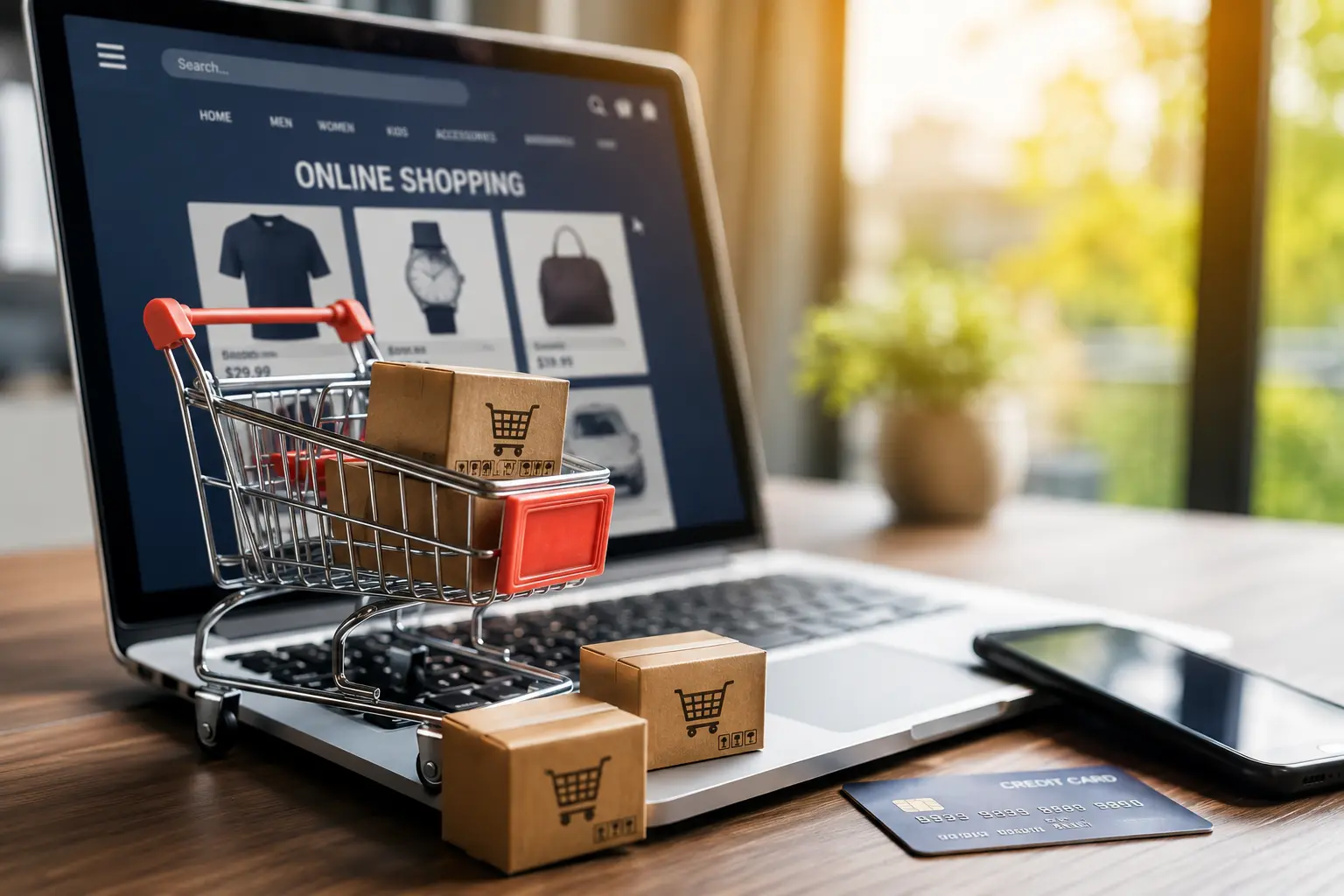
Online engagement hacks: these are the practical, proven strategies that separate ecommerce stores with thriving sales from those drowning in traffic that never converts. If your store is pulling in visitors but your revenue is not reflecting that effort, the problem is almost never the product. It is the experience, the trust signals, and the touchpoints you are either missing or misusing. This guide breaks down 12 specific, actionable ways to increase engagement on your ecommerce site and turn more of those visitors into loyal, paying customers.
These hacks compound when your storefront is fast and frictionless, the foundation of our sustainable ecommerce builds.
Online Engagement Hacks: Why Traffic Alone Will Never Be Enough
Most ecommerce store owners obsess over traffic numbers. They celebrate when Google Analytics shows a spike in sessions, but then feel confused and frustrated when their sales dashboard stays flat. The truth is that traffic and conversions are two completely different conversations. Engagement is the bridge between them.
Engagement measures how meaningfully a visitor interacts with your content, your products, and your brand. A visitor who lands on your homepage and bounces in four seconds has not engaged. A visitor who reads your product descriptions, watches a demo video, adds three items to a wishlist, and signs up for your newsletter has engaged deeply. That second visitor is far more likely to buy, and far more likely to come back.
According to research published by the National Institute of Standards and Technology, user experience design directly influences decision-making behavior in digital environments. When your site is built to engage, it is also built to convert. The two goals are inseparable.
The following 12 strategies are not generic tips. Each one addresses a specific gap in the typical ecommerce experience and gives you a concrete way to close it.
Online Engagement Hacks: Use Lead Magnets to Capture Visitors Before They Leave
The average ecommerce site loses more than 97 percent of its first-time visitors without capturing any contact information. That means nearly every person who finds your store for the first time will leave, and you will have no way to bring them back. Lead magnets solve this problem directly.
A lead magnet is any piece of value you offer in exchange for a visitor’s email address or other contact details. The key word is value. A generic “sign up for our newsletter” prompt is not a lead magnet. A free downloadable guide titled “How to Choose the Right Sustainable Packaging for Your Business” is a lead magnet. The specificity and usefulness of the offer determines whether someone hands over their email.
Effective lead magnets for ecommerce include free shipping on a first order, a discount code, a product sample, a how-to guide related to your niche, a quiz with personalized results, or access to an exclusive resource library. Place these offers strategically: on exit-intent popups, embedded within product pages, and in the footer of every page. Keep the form simple. Ask only for a first name and an email address. Every additional field you add reduces your conversion rate on that form.
Once you have that email address, you have a direct line to that person that no algorithm can take away from you. That is one of the most valuable assets an ecommerce business can own.
Overcome Buying Objections Directly on Your Product Pages
Every visitor who lands on a product page and does not buy had a reason. Maybe they were not sure about your return policy. Maybe they worried the product would not fit. Maybe they had never heard of your brand before and did not trust you yet. These are objections, and your job is to answer them before the visitor even has to ask.
Start by listing every reason a reasonable person might hesitate to buy your product. Then address each one directly on the page. Common objections include shipping costs and timelines, return and refund policies, product quality and durability, sizing or compatibility, and whether the company is legitimate and trustworthy. Each of these can be addressed with a short, clear statement near the add-to-cart button.
Trust badges are a simple and effective tool here. Displaying icons for secure checkout, money-back guarantees, free returns, and verified reviews near the purchase button has been shown to increase conversion rates meaningfully. Do not bury your guarantee in the footer. Put it where the decision is being made.
Also consider adding a short FAQ section directly on each product page. Answer the three or four questions your customer service team hears most often about that specific product. This reduces friction, builds confidence, and keeps the visitor on the page longer, all of which contribute to higher conversions.
Online Engagement Hacks: Build a Loyalty Program That Actually Rewards People
Acquiring a new customer costs five to seven times more than retaining an existing one. That statistic alone should make loyalty programs a top priority for any ecommerce business. But most loyalty programs fail because they are either too complicated to understand or too stingy to feel rewarding.
A great loyalty program does three things. First, it makes customers feel genuinely appreciated for their business. Second, it gives them a clear and motivating reason to come back. Third, it creates a sense of belonging to something, a community of people who share values or interests related to your brand.
Points-based systems are the most common format. Customers earn points for purchases, reviews, referrals, and social shares, then redeem those points for discounts or free products. Tiered programs add an extra layer of motivation by giving customers a status to work toward. Brands like REI have built entire communities around their loyalty programs, with members who actively prefer the brand over competitors because of the relationship, not just the rewards.
For sustainability-focused brands, loyalty programs can also be tied to environmental impact. Offer bonus points for choosing eco-friendly shipping, for recycling old products, or for referring friends who make a purchase. This aligns your rewards structure with your brand values and deepens the emotional connection your customers feel with your company.
Use Wishlists, Social Proof, and Suggestive Selling to Guide Purchase Decisions
Not every visitor is ready to buy on their first visit. Research from the Baymard Institute shows that the average cart abandonment rate across ecommerce is nearly 70 percent. Wishlists are one of the most underused tools for recovering that lost intent.
When a visitor can save a product to a wishlist, they are signaling genuine interest without the pressure of committing to a purchase. That wishlist becomes a powerful remarketing tool. You can send reminder emails when a wishlisted item goes on sale, when stock is running low, or simply as a gentle nudge after a few weeks of inactivity. Wishlists also make gift-giving easier, which opens up a whole additional use case for your products.
Social proof works alongside wishlists to reduce hesitation. When a new visitor sees that 847 people have purchased a product and left an average rating of 4.8 stars, the decision becomes much easier. Display review counts prominently. Feature photo reviews from real customers. Pull in mentions from social media and display them on product pages. User-generated content is more trusted than branded content because it comes from people who have no financial incentive to be positive.
Suggestive selling is another engagement tool that serves the customer while increasing your average order value. When someone views a hiking boot, show them the matching socks, the waterproofing spray, and the insoles that other buyers frequently purchase together. Frame it as helpful, not pushy. “Customers who bought this also loved” is a more engaging prompt than “You might also want to buy.” The language matters.
Online Engagement Hacks: Leverage Influencers, Giveaways, and Trend Participation
One of the most effective online engagement hacks: getting other people to talk about your brand for you. This is the core principle behind influencer marketing, giveaways, and trend participation, and it works because people trust recommendations from people they follow far more than they trust ads from brands they do not know.
Influencer marketing does not require a celebrity budget. Micro-influencers, those with between 5,000 and 50,000 followers in a specific niche, often deliver higher engagement rates than mega-influencers because their audiences are more targeted and their recommendations feel more personal. For a sustainability-focused ecommerce brand, partnering with a zero-waste lifestyle blogger or an eco-conscious parenting influencer can drive highly qualified traffic that is already aligned with your values.
Giveaways create a burst of engagement and can rapidly grow your email list and social following. The key is to make the prize relevant to your ideal customer. A generic gift card attracts everyone and converts no one. A prize bundle of your best-selling products attracts exactly the people who would buy from you anyway. Require entrants to follow your account, tag a friend, and sign up for your email list to maximize the value of each giveaway.
Trend participation, when done authentically, can dramatically increase your brand’s visibility. The ALS Ice Bucket Challenge is a classic example of a brand-adjacent trend that generated enormous awareness. You do not need to manufacture a viral moment. Simply stay aware of conversations happening in your industry and look for genuine ways to participate. A sustainability brand commenting thoughtfully on a trending environmental news story, for example, can attract significant organic attention.
Create Inspirational Content and Optimized Landing Pages That Attract Buyers Early
Many visitors arrive at ecommerce stores not with a specific product in mind, but with a problem to solve or an idea to explore. They are in the inspiration phase of the buying journey, and if your store only speaks to people who are ready to buy right now, you are missing a massive segment of your potential audience.
Creating content-rich landing pages around specific themes, use cases, or lifestyle concepts pulls in visitors at the top of the funnel and introduces them to your products in a context that feels helpful rather than salesy. A sustainable home goods brand might create a page titled “How to Build a Zero-Waste Kitchen” that features relevant products naturally within the content. A visitor who finds that page through a Google search is not yet a buyer, but they are a highly qualified prospect.
These pages should be optimized for long-tail keywords that reflect the questions and interests of your target audience. Use tools like Google Search Console or AnswerThePublic to find the specific phrases people are searching for in your niche. Build pages that answer those questions thoroughly, include your products as part of the solution, and link to related content elsewhere on your site to keep visitors exploring.
According to the Federal Trade Commission’s consumer guidance on online shopping, buyers increasingly research products extensively before purchasing. Brands that provide that research experience on their own site capture the sale. Brands that do not send their prospects to a competitor who does.
Online Engagement Hacks: Highlight Related Products and Cross-Sell Strategically
Cross-selling and upselling are two of the highest-return engagement strategies available to ecommerce businesses, yet most stores implement them poorly or not at all. Done well, these tactics increase average order value, improve customer satisfaction, and reduce the likelihood of returns because customers have everything they need from the start.
Cross-selling means recommending products that complement what the customer is already buying. If someone is purchasing a reusable water bottle, showing them a compatible cleaning brush and a carrying sleeve is a natural and helpful cross-sell. The recommendation should feel like a service, not a sales tactic. The framing matters enormously. “Complete the set” or “Everything you need to get started” performs better than “Other products you might like.”
Upselling means offering a higher-tier version of the product the customer is considering. If someone is looking at a basic subscription plan, showing them what they get with the premium plan, and making the value difference clear, is an effective upsell. The key is to make the upgrade feel worth it, not just more expensive. Highlight the specific additional benefits and, where possible, show the cost per day or per use to make the price feel smaller.
Place cross-sell and upsell recommendations on product pages, in the cart, and on the post-purchase confirmation page. The confirmation page is especially underused. A customer who just bought from you is at peak trust and satisfaction. That is an ideal moment to introduce a complementary product or invite them to join your loyalty program.
Personalization, Speed, and Mobile Experience: The Foundation Everything Else Depends On
All of the online engagement hacks: described above will underperform if your site is slow, hard to navigate on a phone, or completely generic in its experience. Personalization, page speed, and mobile optimization are not optional extras. They are the foundation that determines whether any of your other engagement strategies can actually work.
Personalization in ecommerce means showing different content, recommendations, and offers to different visitors based on their behavior, location, purchase history, or referral source. A returning customer should see a different homepage experience than a first-time visitor. Someone who has been browsing your sustainable cleaning products category should see relevant recommendations, not your bestsellers from an unrelated category. Even simple personalization, like addressing a returning visitor by name in an email or showing recently viewed products on the homepage, meaningfully increases engagement and conversion rates.
Page speed is a conversion killer that most store owners underestimate. A one-second delay in page load time can reduce conversions by up to 7 percent. On mobile, the impact is even more severe. Compress your images, use a content delivery network, minimize unnecessary scripts, and regularly test your site speed using Google’s PageSpeed Insights tool. Every second you shave off your load time is money added back to your revenue.
Mobile experience deserves its own dedicated audit. More than 60 percent of ecommerce traffic now comes from mobile devices, but mobile conversion rates still lag significantly behind desktop. Walk through your entire purchase flow on a phone. Is the text readable without zooming? Are the buttons large enough to tap accurately? Does the checkout process work smoothly on a small screen? Fix every friction point you find. The USA.gov guide to online shopping safety notes that consumers increasingly expect seamless mobile experiences as a baseline, not a bonus.
Putting It All Together: Your Ecommerce Engagement Action Plan
The most important thing to understand about these online engagement hacks: is that they work best as a system, not as isolated tactics. A loyalty program is more powerful when it is supported by great social proof. Lead magnets are more effective when they feed into a personalized email sequence. Inspirational content performs better when it links to product pages that overcome objections and feature strong cross-sell recommendations.
Start by auditing your current site against each of the 12 strategies covered in this guide. Score yourself honestly. Where are the biggest gaps between what you are currently doing and what is possible? Prioritize the two or three changes that will have the most immediate impact on your conversion rate and implement them fully before moving on to the next set.
Track your results carefully. Set up conversion goals in Google Analytics so you can see exactly which changes are moving the needle. Test different versions of your lead magnets, your product page layouts, and your loyalty program messaging. Ecommerce optimization is never finished. The brands that win are the ones that treat engagement as an ongoing discipline, not a one-time project.
Sustainable growth in ecommerce comes from building genuine relationships with your customers. Every engagement strategy in this guide is ultimately about one thing: making your visitors feel seen, valued, and confident enough to buy from you and come back again. When you get that right, conversions follow naturally.
Frequently Asked Questions
What are online engagement hacks and why do they matter for ecommerce?
Online engagement hacks are specific strategies designed to increase how meaningfully visitors interact with your ecommerce store, from reading product descriptions to completing a purchase. They matter because traffic alone does not produce revenue. Engagement is the bridge between a visitor arriving on your site and becoming a paying customer. Stores that prioritize engagement consistently outperform those that focus only on driving more traffic.How do lead magnets improve ecommerce conversion rates?
Lead magnets capture visitor contact information before they leave your site by offering something genuinely valuable in exchange, such as a discount code, a free guide, or a product sample. Once you have a visitor’s email address, you can follow up with targeted sequences that bring them back to complete a purchase. This is especially important because most first-time visitors do not buy on their initial visit, and without a lead magnet you have no way to re-engage them.What is the most effective type of loyalty program for ecommerce brands?
The most effective loyalty programs combine a points-based reward system with tiered status levels that give customers something to work toward. Customers earn points for purchases, reviews, referrals, and social shares, then redeem them for discounts or free products. For sustainability-focused brands, tying bonus points to eco-friendly behaviors like choosing green shipping or recycling old products deepens the emotional connection customers feel with the brand.How does social proof increase online sales?
Social proof works by showing potential buyers that other real people have purchased and been satisfied with your products, which reduces the perceived risk of buying. Displaying review counts, star ratings, photo reviews from customers, and social media mentions on product pages builds trust quickly, especially with first-time visitors who are unfamiliar with your brand. User-generated content is particularly powerful because it carries no financial incentive to be positive, making it more credible than branded marketing.What is the difference between cross-selling and upselling in ecommerce?
Cross-selling means recommending complementary products that work well alongside what a customer is already buying, such as suggesting a cleaning brush when someone purchases a reusable water bottle. Upselling means encouraging a customer to choose a higher-tier or premium version of the product they are considering, with a clear explanation of the additional value they receive. Both strategies increase average order value and improve customer satisfaction when framed as helpful guidance rather than a sales push.How can online engagement hacks help reduce cart abandonment?
Online engagement hacks like wishlists, exit-intent lead magnets, and abandoned cart email sequences directly address the reasons visitors leave without buying. Wishlists allow visitors to save products for later, giving you a reason to follow up when items go on sale or stock runs low. Overcoming buying objections directly on product pages, such as by displaying return policies and trust badges near the add-to-cart button, removes the hesitation that causes many visitors to abandon their carts before checkout.Why is mobile optimization critical for ecommerce engagement?
More than 60 percent of ecommerce traffic now comes from mobile devices, but mobile conversion rates still lag significantly behind desktop because many stores have not fully optimized the mobile purchase experience. Slow load times, small tap targets, and complicated checkout flows on mobile create friction that causes visitors to leave before buying. Auditing your full purchase flow on a phone and fixing every friction point you find is one of the highest-return investments an ecommerce store can make.How do inspirational content pages help attract ecommerce buyers?
Inspirational content pages target visitors who are in the early research or idea-gathering phase of the buying journey, before they have decided exactly what to purchase. By creating pages built around themes, use cases, or lifestyle concepts relevant to your products, you attract highly qualified organic traffic from people who are not yet ready to buy but are actively interested in your niche. Featuring your products naturally within that content introduces them to your brand in a helpful context and moves visitors further down the purchase funnel.What role do influencers play in online engagement for ecommerce brands?
Online engagement hacks: that involve influencers work because people trust recommendations from creators they follow far more than they trust traditional advertising. Micro-influencers with between 5,000 and 50,000 followers in a specific niche often deliver higher engagement rates than celebrities because their audiences are more targeted and their endorsements feel more personal. For sustainability-focused ecommerce brands, partnering with eco-conscious creators whose values align with the brand produces the most qualified traffic and the strongest conversion results.How often should ecommerce brands update their engagement strategies?
Ecommerce engagement strategies should be reviewed and tested on an ongoing basis rather than treated as a one-time setup. Consumer behavior, platform algorithms, and competitive landscapes change continuously, so strategies that worked well last year may underperform today. Setting up conversion tracking in Google Analytics, running regular A/B tests on key pages, and auditing your engagement tactics quarterly gives you the data you need to keep improving your results over time.Related Articles
- Email Marketing Strategy for Sustainable Ecommerce Brands: 7 Steps
- What are the Best Practices for Ecommerce Marketing?
- How AI is Reshaping Online Shopping
- 3 Reasons Online Shopping Carts Are Abandoned And How To Fix Them
- Planet Media Launches New Brand & Website For Oskar Blues Fooderies

Kurt Whitt
Planet Media
Founder and CEO of Planet Media, a sustainability focused marketing agency. 25+ years helping purpose driven brands grow through strategy, storytelling and design.
More about the team